The future of battery technology is not about a single breakthrough, but a portfolio of advances that address different needs across energy storage, transportation, and grid stability.
Batteries sit at the center of modern life, powering everything from phones and laptops to electric vehicles and renewable energy systems. As demand grows, current battery technology faces limits around cost, charging speed, lifespan, and environmental impact.
Researchers worldwide are working to overcome these constraints, aiming to build batteries that are safer, cheaper, longer-lasting, and more sustainable.
Solid-State Batteries and Safer Energy Storage
One of the most discussed battery technologies is the solid-state battery. Unlike conventional lithium-ion batteries, which use liquid electrolytes, solid-state designs replace the liquid with a solid material. This change improves safety by reducing the risk of leaks, overheating, and fires.
Solid-state batteries also promise higher energy density. This means devices and vehicles could store more power in the same physical space, extending range and runtime. For electric vehicles, this could translate into longer driving distances and faster charging.
While prototypes have shown promise, manufacturing solid-state batteries at scale remains challenging. Researchers are focused on improving durability, cost, and production methods before widespread adoption becomes feasible.
Explore The Countries Most Advanced in Robotics for manufacturing innovation examples.
Sodium-Ion and Alternative Chemistry Batteries
Lithium is a limited resource, and its extraction can be environmentally and geopolitically complex. As a result, researchers are exploring alternatives such as sodium-ion batteries. Sodium is far more abundant and easier to source globally.
Sodium-ion batteries work similarly to lithium-ion batteries but are better suited for stationary storage rather than lightweight applications. They may not replace lithium in smartphones, but they could play a significant role in grid storage and renewable energy buffering.
Other alternative chemistries, including zinc-based and magnesium-based batteries, are also under investigation. Each option balances trade-offs between energy density, cost, and environmental impact.
Faster Charging and Longer Lifespan
Charging speed is a significant focus of battery research. Long charging times limit convenience and adoption, especially for electric vehicles. Researchers are developing new electrode materials and charging protocols that reduce degradation while increasing speed.
Battery lifespan is equally essential. Frequent charging and discharging gradually reduce capacity. Advances in material science aim to slow this degradation, allowing batteries to retain performance over many more cycles.
Longer-lasting batteries reduce waste and lower total ownership costs. Improvements here have ripple effects across consumer electronics, transportation, and energy storage.
Recycling and Circular Battery Design
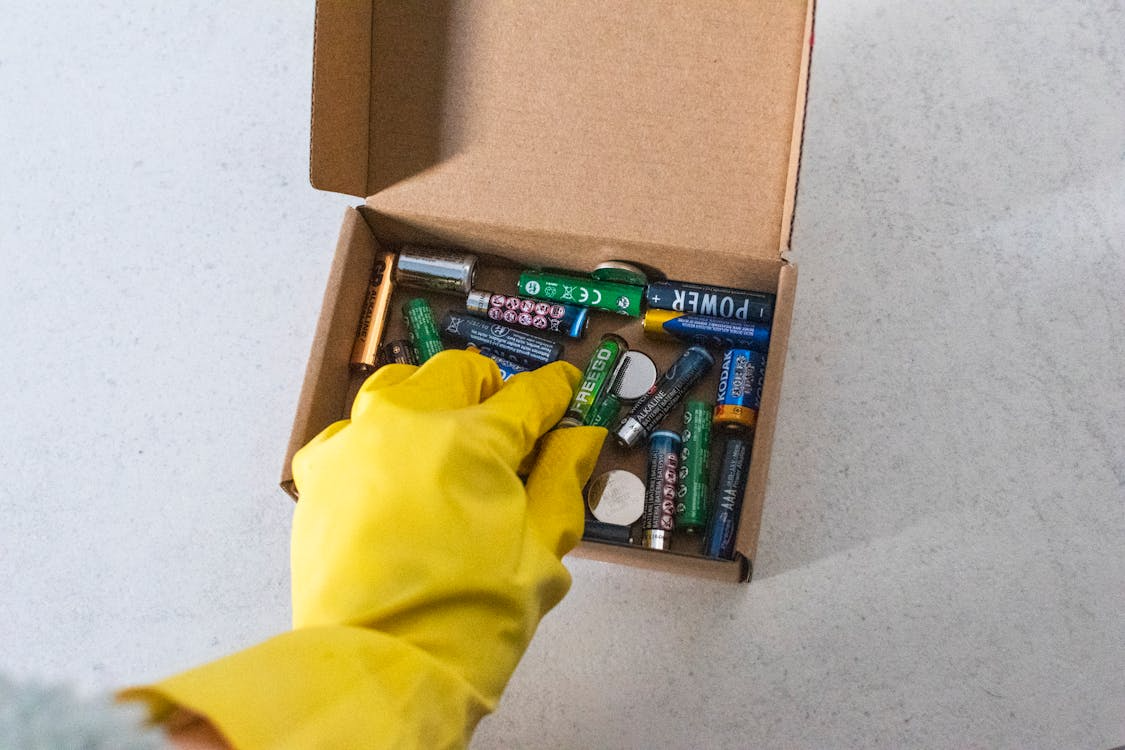
As battery use grows, so does the challenge of disposal. Researchers are increasingly focused on recycling and circular design, such as building batteries that are easier to disassemble and reuse.
Improved recycling processes recover valuable materials such as lithium, cobalt, and nickel. This reduces dependence on mining and lowers environmental impact. Some research focuses on designing batteries with fewer rare materials to simplify recycling altogether.
Circular battery systems aim to extend the useful life of materials, supporting sustainability alongside technological progress.
Check How Different Countries Approach Recycling (And What Works Best) for global recycling strategies.
Batteries for Renewable Energy and the Grid
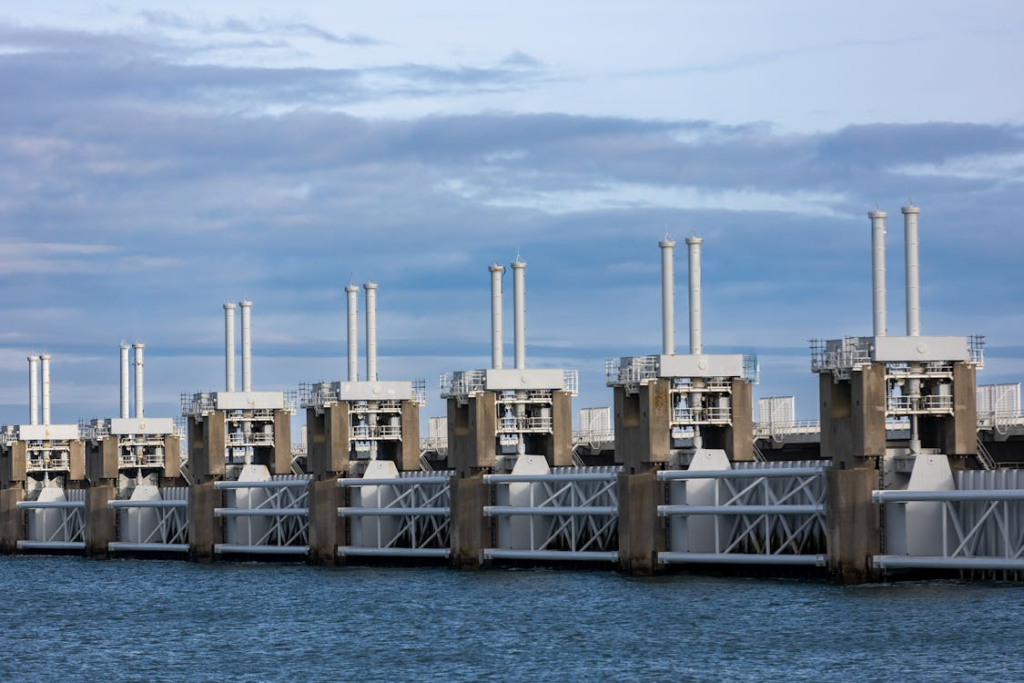
Renewable energy depends on storage. Solar and wind power are intermittent, requiring batteries to balance supply and demand. Researchers are developing large-scale storage solutions that prioritize durability, safety, and cost over size and weight.
Grid-scale batteries must operate reliably for decades. This has led to interest in flow batteries and other systems designed for long-duration storage. These technologies help stabilize energy systems and reduce reliance on fossil fuel backup.
Advances in grid storage are essential for large-scale adoption of renewable energy, making battery research a cornerstone of energy transition strategies.
See Countries Leading the World in Renewable Energy for clean energy leaders.
Global Collaboration and Competition
Battery research is a global effort. Universities, governments, and private companies collaborate and compete to secure intellectual property and manufacturing leadership.
Countries investing heavily in battery research aim to strengthen energy independence and industrial competitiveness. Supply chains, workforce development, and manufacturing capacity are now as crucial as laboratory breakthroughs.
This competition accelerates innovation while shaping future energy markets.
Learn How Space Programs Around the World Compare for advanced engineering ecosystems.
What the Next Generation of Batteries Will Enable
Future batteries will not simply power existing devices better; they will enable new possibilities. Longer-range electric vehicles, resilient power grids, and more portable technology all depend on improvements in storage.
Rather than waiting for a single revolutionary battery, progress will come through steady refinement and diversification. Different technologies will serve various purposes, creating a flexible energy ecosystem.
Battery research represents one of the most practical paths toward a more sustainable, electrified world. The breakthroughs being developed today will shape the future of battery technology and how energy is stored and used for decades to come.