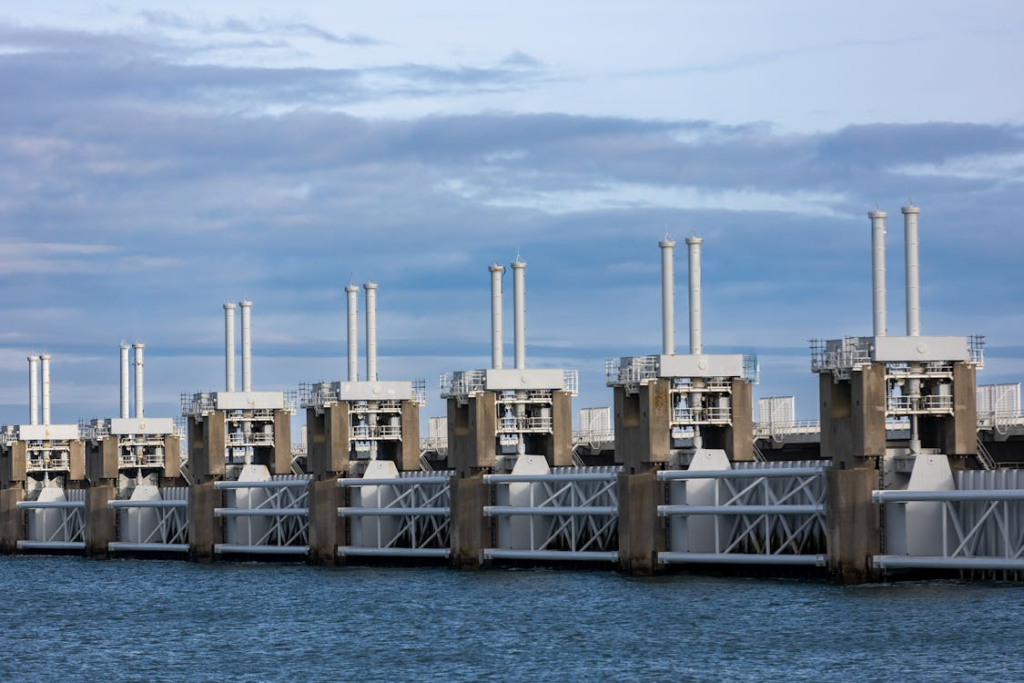
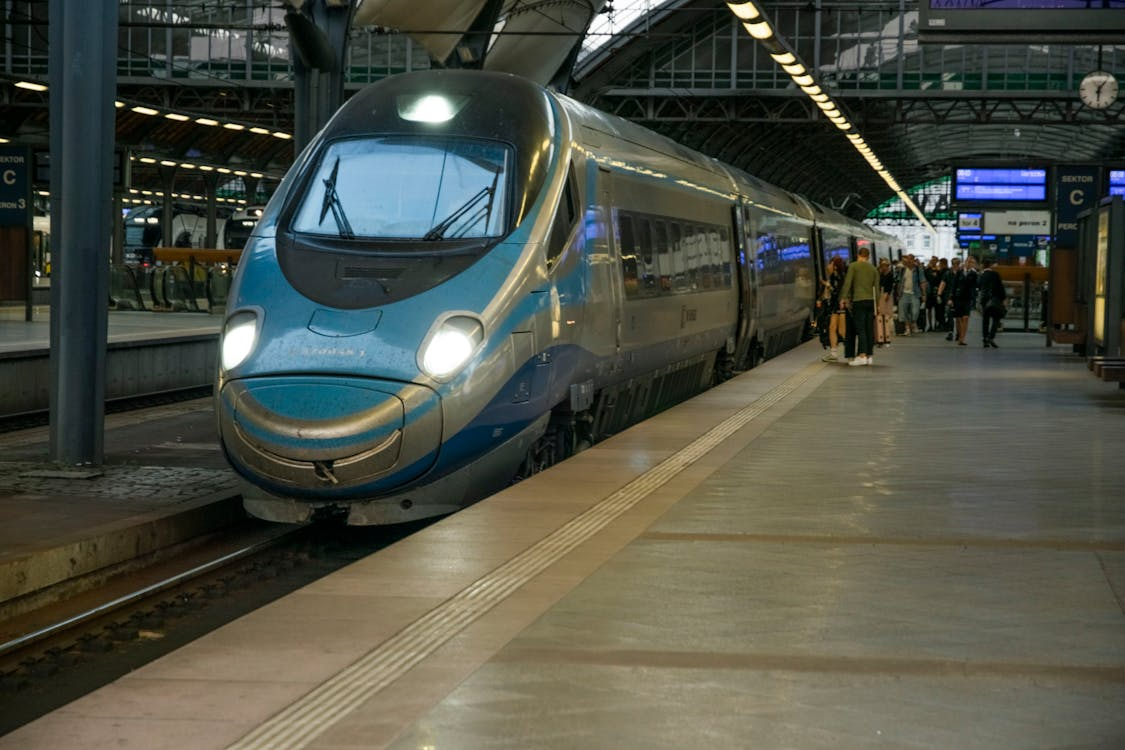
The changes in public transit technology around the world reflect how cities are rethinking mobility as a public service rather than just infrastructure.
Public transportation is undergoing a quiet transformation. Cities worldwide are updating aging systems while designing new ones to handle population growth, climate concerns, and changing commuter expectations. Technology now shapes how people move through cities, making transit faster, cleaner, and more connected than ever before.
Rather than focusing only on speed, modern public transit emphasizes reliability, accessibility, and integration.
Smart Ticketing and Contactless Systems
One of the most visible changes in public transit is how people pay. Contactless cards, mobile wallets, and app-based ticketing have replaced paper tickets in many cities. Riders can now move seamlessly across buses, trains, and trams without stopping to purchase fares.
Cities like London, Singapore, and Tokyo use integrated fare systems that allow riders to tap in and out with a single card or phone. This reduces congestion at stations and simplifies travel for residents and visitors alike.
Smart ticketing also provides valuable data. Transit authorities can analyze usage patterns to adjust schedules, improve service, and plan future routes more effectively.
Explore What ‘Smart Cities’ Actually Mean in 2026 for context on urban technology.
Real-Time Tracking and Passenger Information
Real-time tracking has transformed the passenger experience. Digital displays and mobile apps now show arrival times, delays, and service changes in real time. This reduces uncertainty and makes public transit more predictable.
In cities with advanced systems, riders receive alerts tailored to their usual routes. Knowing when the next train or bus will arrive allows commuters to plan efficiently and reduces frustration.
These systems also improve accessibility. Audio announcements, visual displays, and app notifications help riders with disabilities navigate transit more independently.
High-Speed Rail and Intercity Connectivity
High-speed rail has reshaped regional travel in several parts of the world. Countries like Japan, France, and China have invested heavily in fast, reliable trains that compete with air travel for medium-distance routes.
These systems reduce travel time while lowering emissions compared to flying. Stations are often located in city centers, making trips more convenient door-to-door.
New projects continue to expand high-speed networks, connecting cities economically and socially. This technology changes how regions function, encouraging business and tourism without relying on cars or planes.
See The World’s Most Reliable Airlines and Airports (And Why) for transport comparisons.
Electric and Autonomous Transit Vehicles
Electric buses and trains are becoming standard in many cities. These vehicles reduce emissions, noise, and operating costs over time. Cities across Europe, Asia, and Latin America are replacing diesel fleets with electric alternatives.
Autonomous transit is also being tested. Driverless metros already operate in several cities, offering consistent service and reduced operating risk. While fully autonomous buses are still limited, pilot programs suggest future expansion.
These technologies aim to improve efficiency while addressing labor shortages and safety concerns.
Data-Driven Planning and Smart Infrastructure
Transit systems now rely heavily on data. Sensors, cameras, and connected infrastructure monitor traffic flow, vehicle performance, and passenger demand. This information supports predictive maintenance, reducing breakdowns and delays.
Smart traffic signals prioritize buses and trams, helping them move through intersections more efficiently. Dedicated lanes combined with signal priority make surface transit more competitive with private cars.
Cities also use data to coordinate different modes of transport. Bike-sharing, scooters, buses, and trains are increasingly integrated into unified mobility platforms.
Read How AI Is Being Used in Everyday Life Globally for examples of automation.
Accessibility and Inclusive Design
Modern transit technology prioritizes inclusion. Low-floor vehicles, automated ramps, and clear signage improve access for elderly riders and those with mobility challenges.
Navigation apps now include accessibility features, allowing users to plan routes based on elevators, step-free access, or reduced walking distance. These improvements make public transit usable for more people.
Inclusive design reflects a broader understanding of mobility as a shared public good rather than a one-size-fits-all service.
Check out The Most Walkable Cities in the World for mobility-focused planning.
The Future of Public Transit Technology
Public transit technology around the world continues to evolve toward efficiency, sustainability, and user-centered design. Cities are experimenting with hydrogen trains, energy recovery systems, and AI-powered scheduling.
The most successful systems share a common approach: technology supports people, not the other way around. Investments focus on making transit intuitive, reliable, and adaptable.
As urban populations grow, public transit will remain essential. Technology is ensuring that it keeps pace with modern expectations while shaping more livable, connected cities.