
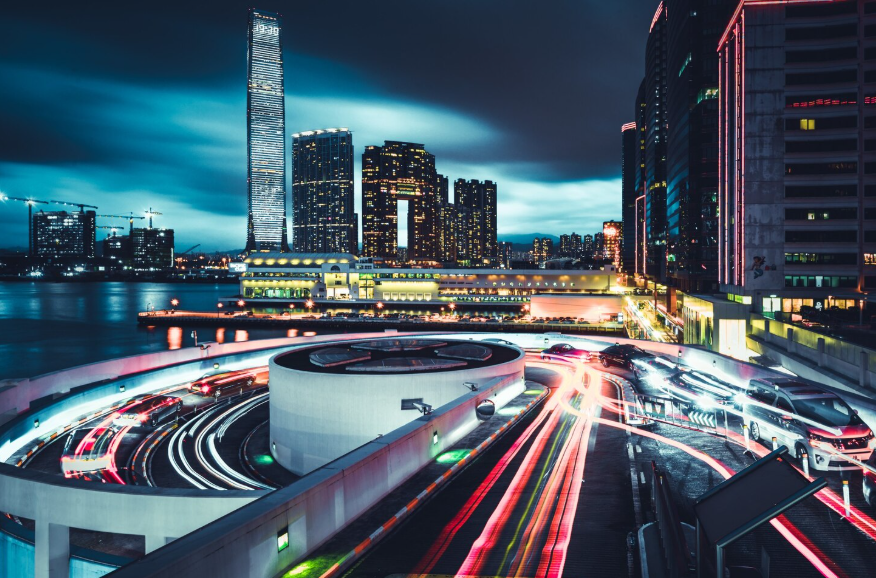
Innovation looks different depending on local priorities. Some cities focus on sustainability, others on mobility, digital services, or social inclusion. What unites them is an ability to turn ideas into practical, scalable solutions.
Innovation at the city level is no longer just about technology hubs or flashy architecture. The most innovative cities in the world combine infrastructure, policy, culture, and human-centered design to solve everyday problems. These cities experiment, adapt quickly, and invest in systems that improve residents’ daily lives while remaining attractive to businesses and talent.
Infrastructure Designed for the Future
Innovative cities treat infrastructure as a living system. They invest in flexible designs that can evolve as needs change. This includes modular transit systems, adaptable public spaces, and utilities built with future demand in mind.
Cities like Singapore are known for long-term planning. Infrastructure projects are designed decades ahead, integrating housing, transportation, and green space into a cohesive whole. This reduces congestion and improves the quality of life as populations grow.
In Northern Europe, cities such as Copenhagen prioritize cycling and pedestrian infrastructure. Streets are designed for people first, encouraging healthier lifestyles while reducing emissions and traffic pressure.
Learn What ‘Smart Cities’ Actually Mean in 2026 for context on urban technology.
Technology Integrated Into Daily Life
Smart technology is a defining feature of the most innovative cities in the world, but success depends on thoughtful implementation. Cities that lead in innovation use technology to simplify services rather than complicate them.
In cities like Seoul, digital platforms allow residents to access public services, report issues, and participate in local decision-making. Technology improves responsiveness and transparency rather than creating barriers.
Other cities focus on data-driven management. Sensors and analytics help optimize traffic flow, energy use, and waste collection. These systems operate mainly in the background, improving efficiency without demanding constant attention from residents.
Sustainability as a Core Strategy
Environmental innovation is central to many leading cities. Urban areas are major contributors to emissions, making cities critical testing grounds for climate solutions.
Cities such as Amsterdam invest heavily in renewable energy, circular economy models, and sustainable construction. Buildings are designed to reduce energy use, and materials are reused rather than discarded.
In rapidly growing cities, sustainability often focuses on resilience. Flood management, heat mitigation, and water conservation are integrated into urban planning to protect residents from climate-related risks.
Mobility and Rethinking Transportation
Transportation is one of the clearest indicators of urban innovation. Cities that excel in this area offer multiple reliable alternatives to private cars.
Public transit systems are integrated with cycling, walking, and shared mobility options. Real-time information and unified payment systems make moving around intuitive.
In cities like Tokyo, transit efficiency supports high population density without sacrificing reliability. Trains run frequently and predictably, allowing residents to plan their lives around public systems rather than private vehicles.
See How Public Transit Tech Is Evolving Around the World for mobility trends.
Innovation Through Social Policy
Innovation is not limited to physical systems. Many cities lead through social policy that improves inclusion and opportunity. Affordable housing initiatives, accessible healthcare, and equitable education systems support long-term stability.
Some cities experiment with participatory governance, allowing residents to influence budget decisions or urban development plans. This builds trust and ensures innovation aligns with community needs.
Innovation thrives where people feel supported. Cities that invest in social infrastructure often see stronger civic engagement and economic resilience.
Explore The Biggest Medical Breakthroughs in the Last 10 Years (Explained Simply) for healthcare innovation context.
Culture, Talent, and Creative Ecosystems
Creative industries play a significant role in urban innovation. Cities that attract artists, designers, researchers, and entrepreneurs tend to generate new ideas organically.
Cultural openness, education, and quality of life all contribute. Cities that encourage experimentation, through grants, incubators, or flexible regulations, create environments where innovation can emerge from unexpected places.
Rather than copying one another, innovative cities build on their unique strengths. Local culture shapes how innovation takes form.
Read Global Job Trends: Careers Growing in Multiple Countries for talent movement insights.
What Makes a City Truly Innovative
The most innovative cities share a mindset rather than a checklist. They prioritize long-term thinking, collaboration, and adaptability. Mistakes are treated as learning opportunities rather than failures.
Innovation succeeds when it improves daily life, not just rankings or reputation. Cities that listen to residents and respond thoughtfully are best positioned to evolve.
As global challenges grow more complex, cities will continue to lead change. The most innovative ones will be those that combine vision with practicality and turn ideas into a livable reality.