
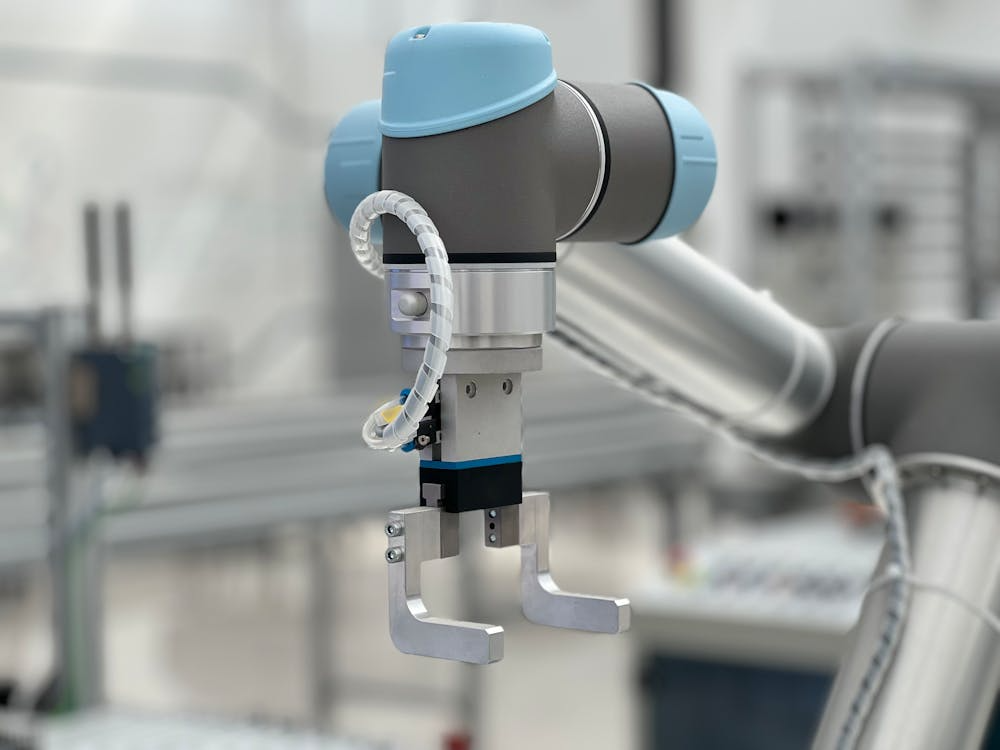
Countries leading in robotics are not only building advanced machines but also integrating them into everyday systems.
Robotics has moved beyond factory floors into hospitals, homes, warehouses, and public spaces. These nations invest in research, workforce training, and infrastructure that enable robots to operate safely and efficiently alongside people.
Leadership in robotics does not look the same everywhere. Some countries focus on industrial automation, while others prioritize healthcare, service robots, or logistics. What unites them is long-term commitment rather than short-term experimentation.
Industrial Robotics and Manufacturing Powerhouses
Industrial robotics remains the backbone of global automation. Countries with strong manufacturing sectors have led the adoption to improve efficiency, precision, and safety. Japan is often seen as a pioneer, with extensive use of robots in automotive and electronics manufacturing. Long-standing expertise and aging demographics have accelerated automation.
South Korea also ranks among the most robot-dense countries. High investment in smart factories allows manufacturers to maintain competitiveness despite rising labor costs. Robots handle repetitive tasks, enabling human workers to focus on oversight and quality control.
Germany leads robotics adoption within Europe. Its emphasis on advanced engineering and Industry 4.0 integrates robotics with data systems, creating flexible production lines that can adapt quickly to demand.
Explore The Most Impressive Engineering Feats Around the World for large-scale technical achievements.
Service Robots in Daily Life
Beyond factories, service robots are becoming increasingly common. In Japan, robots assist with elder care, hospitality, and customer service. These machines help address labor shortages and support an aging population without entirely replacing human interaction.
In countries like China, service robots are appearing in restaurants, hotels, and retail spaces. These robots perform tasks such as delivery, cleaning, and basic customer assistance. Their visibility reflects rapid urbanization and willingness to experiment at scale.
Service robotics emphasizes coexistence. Rather than replacing workers, these systems handle routine tasks, allowing people to focus on higher-value interactions.
See The Most Innovative Cities in the World (And Why) for tech-driven urban hubs.
Healthcare Robotics and Precision Medicine
Healthcare is a major frontier for robotics innovation. Surgical robots allow doctors to perform minimally invasive procedures with greater precision and control. Countries investing heavily in medical robotics aim to improve outcomes while reducing recovery time.
The United States has played a significant role in developing surgical robotics and medical automation. Hospitals use robotic systems for surgery, rehabilitation, and medication delivery. These technologies enhance accuracy rather than replace clinicians.
In Europe, rehabilitation robots support physical therapy, helping patients regain mobility through guided movement. These tools are particularly valuable in long-term care settings.
Logistics, Warehousing, and Automation at Scale
Robotics has transformed logistics and supply chains. Automated warehouses rely on robots to move goods efficiently, reducing errors and speeding up fulfillment. Countries with large e-commerce sectors have prioritized this technology.
China leads in large-scale deployment, integrating robotics into massive distribution centers. These systems coordinate thousands of machines simultaneously, demonstrating how robotics scales in high-demand environments.
The United States also invests heavily in logistics robotics, particularly in retail and delivery. Autonomous systems manage inventory, packaging, and sorting, enabling rapid order fulfillment.
Research, Education, and Robotics Ecosystems
Countries that have advanced in robotics invest in education and research. Universities, research institutes, and private companies collaborate to drive innovation. Japan, South Korea, and Germany all emphasize robotics education early, building specialized talent pipelines.
Government support plays a critical role. Public funding, regulatory frameworks, and national strategies help align innovation with economic goals. Countries that treat robotics as a long-term priority tend to see more consistent progress.
Start-up ecosystems also matter. Nations that support experimentation and entrepreneurship foster new applications beyond traditional industries.
Check out How Space Programs Around the World Compare for national technology strategies.
Ethical, Social, and Cultural Factors
Robotics adoption reflects cultural attitudes toward automation. In some societies, robots are viewed as helpful partners. In others, concerns about job displacement and ethics slow adoption.
Countries leading in robotics often address these concerns proactively. Training programs help workers transition into new roles, and regulations guide safe integration into public spaces.
Public trust is essential. Where people feel robotics improves the quality of life, acceptance grows.
Don’t miss How Public Transit Tech Is Evolving Around the World for applied automation systems.
What Robotics Leadership Really Means
Being advanced in robotics is not just about having the most machines. It involves integrating robotics into society responsibly and effectively. The leading countries align technology with real-world needs.
As robotics continues to evolve, leadership will depend on adaptability. Nations that balance innovation, ethics, and human collaboration will shape how robots become part of everyday life.
Robotics is no longer a glimpse of the future; it is a defining feature of the present for countries willing to invest thoughtfully.