Understanding the differences in how holidays are celebrated around the world helps explain how cultures mark time and meaning. Holidays are not only days off or religious observances; they are mirrors of what societies choose to honor together.
Holidays are common in every culture, but the ways they are celebrated can differ dramatically from place to place. While many societies share similar themes such as renewal, gratitude, remembrance, light, or community, the customs surrounding those themes reflect local history, climate, and values. A holiday that feels quiet and reflective in one country may be loud and communal in another.
New Year Celebrations and Fresh Starts
New Year celebrations reveal how cultures think about time and renewal. In many Western countries, the New Year is marked by countdowns, fireworks, and parties that emphasize excitement and optimism. January 1 symbolizes a clean break and personal reinvention.
In East Asia, Lunar New Year celebrations focus more on family and continuity. In China, Vietnam, and Korea, the holiday stretches over multiple days and centers on honoring ancestors, sharing meals, and wishing prosperity for the year ahead. Red decorations, symbolic foods, and ritual cleaning reflect the idea of inviting good fortune rather than simply celebrating a date change.
Other cultures mark the New Year quietly. In parts of Scandinavia, traditions involve reflection, symbolic gestures, and small gatherings rather than large public events. These differences show how renewal can be framed as either outward celebration or inward reset.
Explore How Families Live Together Around the World for home-based traditions.
Harvest Festivals and Gratitude
Harvest-themed holidays appear worldwide, tied to agriculture and seasonal cycles. In the United States and Canada, Thanksgiving emphasizes gratitude, family gatherings, and abundance. The holiday centers on a shared meal that reinforces togetherness.
In India, harvest festivals like Pongal or Makar Sankranti celebrate the sun, crops, and rural life. These events often include rituals, music, and offerings that honor nature’s role in sustaining communities. Gratitude is directed not only toward people but also toward the land itself.
In parts of Africa, harvest celebrations blend traditional rituals with modern festivities. Music, dance, and storytelling play central roles, reinforcing collective identity and continuity across generations.
See The World’s Most Loved Comfort Foods for global food traditions.
Light Festivals Across Cultures
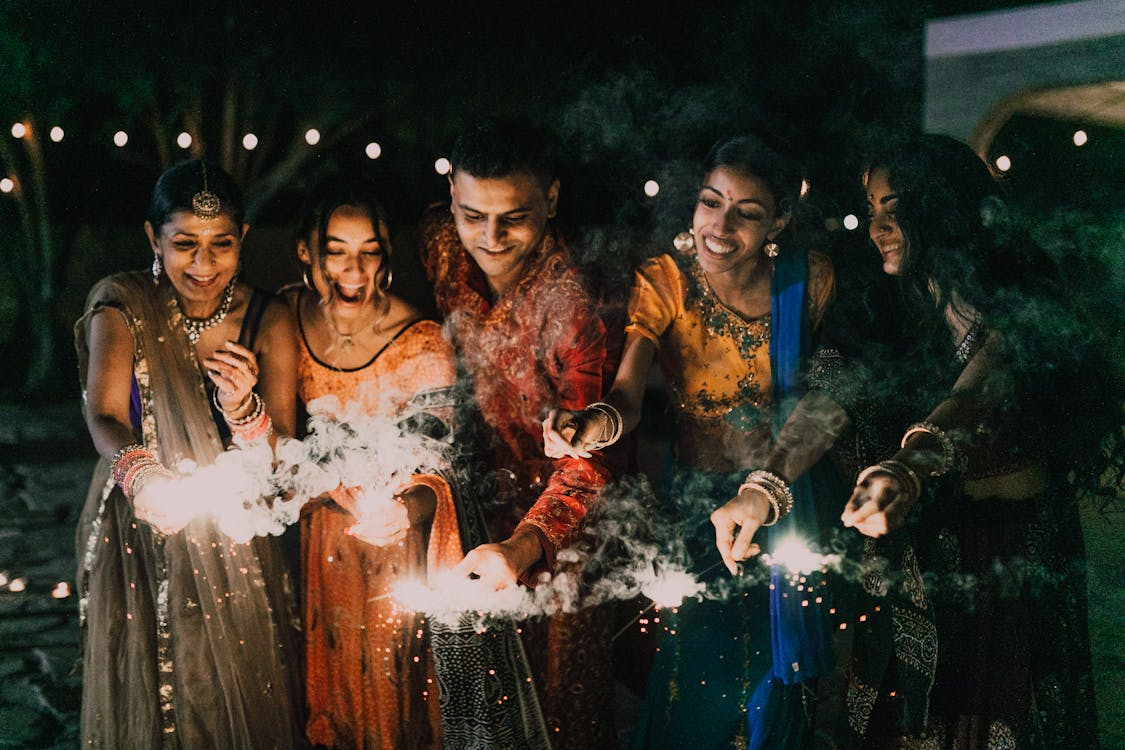
Festivals centered on light appear in many cultures, often symbolizing hope or spiritual renewal. In India, Diwali celebrates the triumph of light over darkness with oil lamps, fireworks, and shared sweets. Homes are cleaned and decorated to welcome prosperity and positivity.
In parts of Europe and North America, winter holidays emphasize candles, lights, and warmth during the darkest time of year. These traditions offer comfort and reassurance, transforming seasonal hardship into communal celebration.
In East Asia, lantern festivals mark the end of major holiday periods. Lanterns symbolize guidance, reunion, and wishes for the future. Though visually similar, each light-based festival carries distinct meanings shaped by local beliefs.
Discover What People Eat for Breakfast Around the World for everyday food culture.
Remembrance and Honor-Based Holidays
Some holidays focus on honoring the past rather than celebrating the present. In Mexico, Día de los Muertos blends remembrance with joy. Families create altars, share food, and visit gravesites to honor deceased loved ones, treating death as a continuation of connection rather than an absence.
In Japan, Obon serves a similar purpose. Families return to ancestral homes, clean graves, and perform traditional dances to welcome and guide spirits. The tone is respectful but not mournful, emphasizing gratitude and continuity.
In many Western countries, remembrance holidays are quieter and more formal. Moments of silence, memorials, and ceremonies reflect a cultural preference for solemn reflection over celebration.
Read Most Common Superstitions Across Cultures for belief-driven rituals.
Food, Community, and Meaning
Across cultures, people center holiday celebrations around food. They cook certain dishes just once or twice a year, giving them symbolic meaning and real emotional pull. Families hand recipes down, and each meal strengthens identity and memory.
Communities celebrate differently, too. Some cultures gather for large public festivals, while others often keep it private with family rituals. Neither choice ranks higher; each one shows a different way to belong.
Holidays also slow time on purpose. They break routine and bring people back to shared values, stories, and each other. Cultures differ mainly in how they show that closeness.
When you compare how holidays are celebrated around the world, you see the same themes take many shapes. Holidays show not just what people honor, but how they honor it together.