
Tourism is surging in new (and newly rediscovered) places driven by a mix of pent-up demand, improved flight connectivity, favorable exchange rates, and travelers actively avoiding overcrowded “classic” hotspots. Looking at booming travel destinations in 2026 reveals not just where people are going, but why travel behavior is shifting.
UNWTO reported that international tourist arrivals increased in 2025, with robust growth in Africa. It continued momentum across regions, setting the stage for another competitive year for destinations trying to capture (or manage) growth.
What’s different now is the “why” behind bookings. Travelers are seeking more value, more meaning, and less congestion—often choosing smaller cities, second-tier regions, or nature-forward itineraries.
Where tourism is accelerating
A few destinations are seeing notable growth and attention because they hit a sweet spot: distinctive experiences, improving infrastructure, and intense global curiosity.
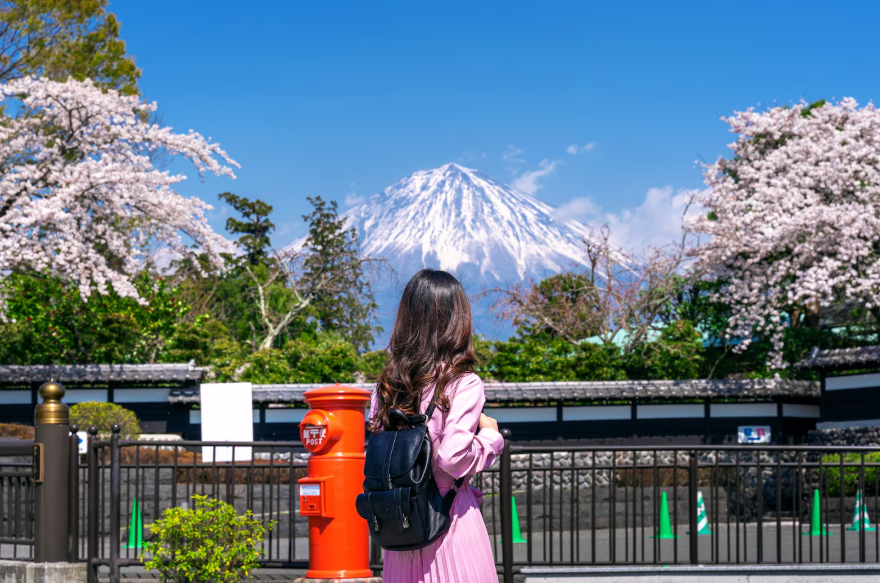
- Japan (and broader East Asia rebound routes): Japan has remained a magnet for travelers, fueled by cultural demand and strong social media visibility, and it’s frequently cited as a fast-growing destination in recent reporting.
- Iceland, Brazil, and Egypt: UN Tourism’s World Tourism Barometer coverage has highlighted these as seeing double-digit growth in arrivals in 2025, often a signal that demand remains elevated into 2026 travel planning.
- Saudi Arabia: The country has been positioning itself as one of the fastest-growing destinations, with significant tourism investment and large-scale development tied to national economic goals.
- “Not-so-obvious” alternatives gaining traction: Travel trend data for 2026 shows significant interest shifting toward less obvious destinations (examples include Limón, Jaipur, Bodrum, Madeira, Zadar, and others), reflecting a broader move away from the most saturated cities.
Separately, editors and trend reports point to experience-led travel—like “purpose” trips, nature-and-quiet itineraries, and niche interests (think stargazing, wellness, and heritage-focused routes)—as a significant force shaping where travel demand is flowing.
Explore What Life Costs Around the World (2026 Snapshot) for destination budget context.
Why these places are winning right now
Booming destinations in 2026 tend to share a few underlying advantages:
- Perceived value: When travelers feel their budget goes further on lodging, meals, or local experiences, interest climbs quickly, especially during inflation-sensitive periods.
- Access and marketing: New flight routes, easier visa processes, and heavy promotion can flip a “someday” destination into a “this year” destination.
- Overtourism fatigue: People are deliberately choosing alternatives to crowded areas, swapping famous icons for nearby “hidden gem” alternatives.
- Experience stacking: Travelers want destinations that offer multiple wins—culture + food + nature + unique lodging in one trip.
Read What People Eat for Breakfast Around the World for cultural travel insight.
What travelers should know before they go
Booming tourism can be great for visitors, such as more tours, better transit, and more lodging options, but it comes with practical considerations.
- Book smarter, not just earlier: In fast-rising destinations, the “best value” accommodations disappear first. Consider shoulder-season travel or weekday arrivals to reduce costs and crowds.
- Expect pressure points: Even well-run places experience strain during surges—airport queues, sold-out attractions, and overbooked transport. Build buffer time into your itinerary, especially on connection days.
- Respect local capacity: Booming tourism can stress housing and services. Choose licensed guides, follow local rules in natural areas, and avoid short-term rental choices that worsen local housing shortages where that’s a known issue.
- Watch for “experience inflation”: Prices for popular tours, restaurants, and tickets can rise faster than general costs when demand spikes. Set a daily “splurge cap,” so the trip doesn’t quietly run away from you.
- Stay current on advisories and entry requirements: Rapidly growing destinations often update crowd management, permits, or visitor rules. Check official guidance close to departure.
Check out The Most Common Travel Scams Around the World (And How to Avoid Them) for safer planning.
How to choose the right “booming” destination for you
A good rule: match the destination’s growth story to your travel style.
- If you want culture density, target places with strong museums, markets, and walkable cores (and plan key tickets in advance).
- If you want nature and quiet, pick the “alternative regions” within popular countries—second cities, islands, or national park gateways, and go shoulder season.
- If you want budget-stretch value, prioritize destinations highlighted by trend data as rising because they’re delivering high experience-per-dollar.
Booming travel destinations in 2026 can create some of the best travel moments: new routes, energized local scenes, and a sense of discovery before a place becomes fully saturated.
The key is traveling with a little more planning, a little more patience, and a lot more respect for the local context.