Across the world, weddings are less about spectacle and more about symbolism. Clothing, rituals, timing, and even who attends can vary widely, revealing how societies define partnership, family, and transition.
Weddings exist in every culture, but the customs surrounding them can feel surprising to outsiders. While the purpose is universally familiar, such as marking commitment and community, the way weddings unfold reflects local values, beliefs, and social structures. What seems unusual to visitors is often deeply meaningful to those participating.
Wedding traditions around the world show how societies define partnership, family, and transition.
Rituals That Go Beyond the Ceremony
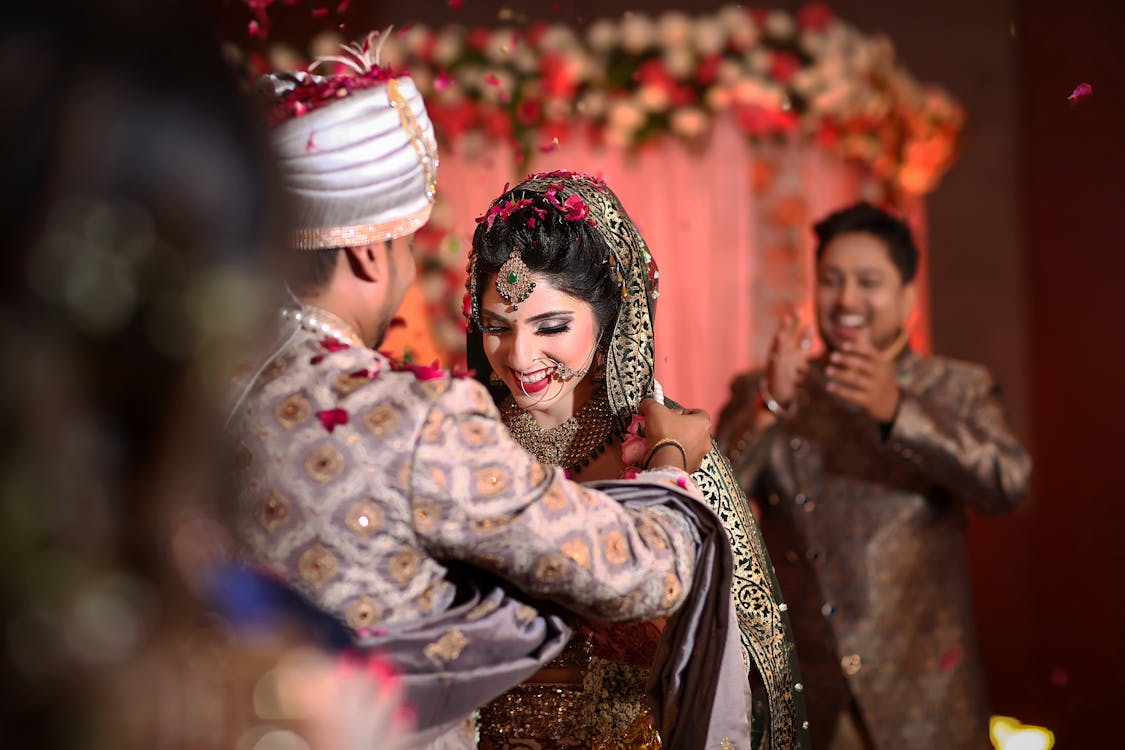
In many cultures, the wedding ceremony is only one part of a much larger process. In India, wedding celebrations often last several days and incorporate rituals that symbolize purification, prosperity, and family unity. Events before the wedding are just as important as the ceremony itself, as they reinforce bonds between families.
In parts of Africa, weddings may involve negotiations or symbolic exchanges between families. These practices emphasize marriage as a union between households rather than just individuals. To visitors, these customs can feel formal or transactional, but they reflect long-standing traditions of mutual responsibility.
In Japan, traditional Shinto weddings focus on simplicity and ritual precision. Small guest lists, ceremonial attire, and offerings to deities highlight harmony and respect rather than grandeur.
Explore How Holidays Are Celebrated Differently Across Cultures to understand shared traditions.
Clothing That Defies Western Expectations
Wedding attire is one of the most visually striking differences across cultures. While white dresses dominate in many Western countries, they are far from universal. In China and parts of Southeast Asia, red wedding garments symbolize luck, joy, and prosperity. White, by contrast, is often associated with mourning.
In West Africa, couples may wear brightly colored fabrics chosen to represent heritage and status. Guests often dress just as elaborately as the couple, creating a vibrant visual celebration rather than a clear spotlight on the bride and groom.
In Scotland, traditional weddings may feature kilts rather than suits, reflecting regional pride. Clothing choices signal identity and continuity, not just personal taste.
Learn What Beauty Standards Look Like Around the World (And How They’re Changing) for style influences.
Community Participation and Public Celebrations
In some cultures, weddings are deeply communal events. In rural areas of Eastern Europe or the Middle East, entire villages may be involved. Music, dancing, and feasting spill into public spaces, turning weddings into shared celebrations rather than private affairs.
In contrast, weddings in countries like Germany or Switzerland are often more structured and reserved. Guest lists are smaller, and the tone is formal. This reflects cultural preferences for order and moderation rather than extravagance.
In parts of Latin America, weddings blend formality with festivity. Religious ceremonies may be solemn, followed by long, lively receptions that emphasize music and dance.
Read A Guide to Common Gestures That Mean Different Things Worldwide for cultural communication cues.
Symbolic Acts That Surprise Guests
Many wedding rituals involve symbolic acts that can seem unusual without context. In Greece, crowns connected by ribbon are placed on the couple’s heads, symbolizing unity and shared destiny. Guests may later dance with the crowns, reinforcing communal blessing.
In South Korea, traditional weddings include gestures of respect toward elders, such as deep bows. These acts highlight the importance of family approval and generational continuity.
In some cultures, playful rituals test the couple’s cooperation. From mock challenges to symbolic tasks, these traditions emphasize partnership rather than romance alone.
Timing, Gifts, and Expectations
Wedding timing also varies. In some countries, weddings are scheduled based on astrology or religious calendars rather than convenience. Choosing the “right” date is seen as essential for a successful marriage.
Gift-giving customs can surprise visitors, too. In many Asian cultures, cash gifts are preferred and presented in specific envelopes. The amount may reflect the guest’s relationship to the couple, reinforcing social balance.
In contrast, Western registries focus on household items or experiences. Neither approach is more generous; they reflect different ideas about support and practicality.
Learn Most Common Superstitions Across Cultures for insights on symbolic beliefs.
What Wedding Traditions Reveal
Global wedding traditions reveal how societies understand marriage itself. Some emphasize romance and individual choice, while others focus on family, duty, and continuity. The elements that surprise visitors often point to deeper cultural priorities.
Despite their differences, all weddings serve the same purpose: marking a significant life transition in the presence of others. The rituals may vary, but the desire to celebrate commitment and belonging is universal.
Understanding wedding traditions around the world helps travelers appreciate weddings not as spectacles, but as cultural expressions shaped by history and shared meaning.