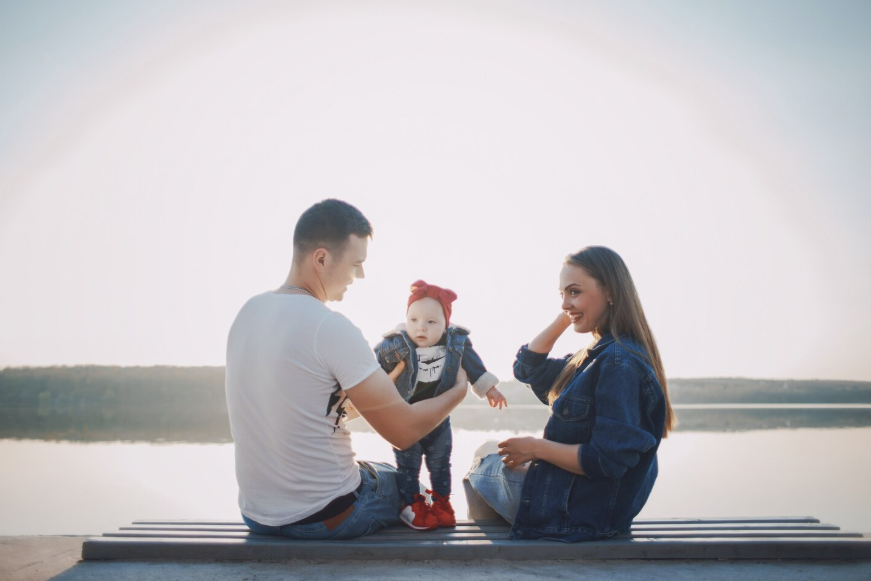
Looking at parenting styles around the world helps explain why children are raised so differently and why those differences persist.
Parenting is shaped as much by culture as by personal choice. Across the world, expectations around discipline, independence, education, and emotional expression vary widely. What one society considers supportive parenting, another may view as overly strict or too permissive. These differences reflect deeper beliefs about childhood, authority, and the role of family in shaping identity.
Rather than a single model of “good parenting,” cultures develop approaches that align with their social structures and values.
Independence Versus Interdependence
In many Western countries, parents prize independence from an early age. They push kids to choose for themselves, voice opinions, and practice autonomy. They treat it as maturity in action. In the United States, Canada, and Australia, many families aim to build self-confidence and celebrate individuality.
Many Asian and African cultures, by contrast, value interdependence. Adults teach children to protect family harmony, respect authority, and weigh the group’s needs before personal wants. Families still allow independence, but they tie it to responsibility toward others.
These mindsets shape how children define themselves. Independence-focused cultures raise kids who speak up easily, while interdependent cultures develop strong relational awareness, shared duty, and social obligation.
Explore How Families Live Together Around the World for context on household structures.
Discipline and Authority
Discipline looks different everywhere because cultures teach different views of authority. In some places, parents keep a clear hierarchy with children. They treat respectful obedience as the base of moral growth, and they enforce rules with firm, directive discipline.
Elsewhere, families rely on negotiation. Parents explain expectations, invite questions, and focus on emotional understanding. They guide behavior through reasoning instead of punishment, trusting that children learn best through conversation.
Families rarely follow only one method. Even within one country, parents mix styles based on beliefs, education, and community norms. Cultural context shapes which approaches feel natural, effective, and appropriate.
See How Different Countries Define ‘Good Manners’ for context on authority and behavior norms.
Education and Achievement Expectations
Attitudes toward education reveal significant differences in parenting priorities. In countries like South Korea or China, academic success is often central to parenting. Long study hours, tutoring, and structured schedules are standard, reflecting high competition and strong expectations.
In contrast, countries such as Finland emphasize balance. Education is valued, but play, rest, and emotional well-being are considered equally important. Parents trust school systems and place less pressure on early academic performance.
These differences affect how children experience early childhood. Some grow up in highly structured environments, while others are encouraged to explore freely. Both approaches aim to prepare children for adulthood, but through different paths.
Emotional Expression and Communication
Cultural norms also shape how parents respond to children’s emotions. In some societies, open emotional expression is encouraged. Parents may validate feelings and emphasize emotional literacy as a life skill.
In other cultures, emotional restraint is valued. Children may be taught to manage feelings privately and prioritize composure. This does not mean emotions are ignored; instead, they are handled differently.
These norms influence how children learn to cope with stress and conflict. Emotional expression is not inherently better or worse; it reflects cultural beliefs about strength, maturity, and social harmony.
Check out How People Date Around the World for insights on relationship norms.
Community and Shared Responsibility
In many parts of the world, parenting extends beyond the nuclear family. Grandparents, relatives, neighbors, and community members play active roles in raising children. This shared responsibility provides support and reinforces collective values.
In more individualistic societies, parenting responsibilities often fall primarily on parents. While this allows for tailored approaches, it can also increase stress and isolation. Community involvement may be more limited or formalized.
As societies change, these structures evolve. Urbanization, migration, and technology reshape how families access support and define responsibility.
Read How Holidays Are Celebrated Differently Across Cultures for a deeper dive on shared traditions.
Parenting in a Changing World
Globalization and modern life are reshaping parenting styles everywhere. Parents now encounter international ideas, research, and trends, and they mix them with traditions. They build hybrid parenting styles that carry both heritage and adaptation.
Even with these changes, core cultural values still guide families. Parenting keeps expressing what societies believe children need to thrive—not only as individuals, but also as members of a community.
Seeing how parenting styles differ across countries shows there’s no universal blueprint. Each approach answers local priorities, social structures, and shared hopes families hold for the next generation.