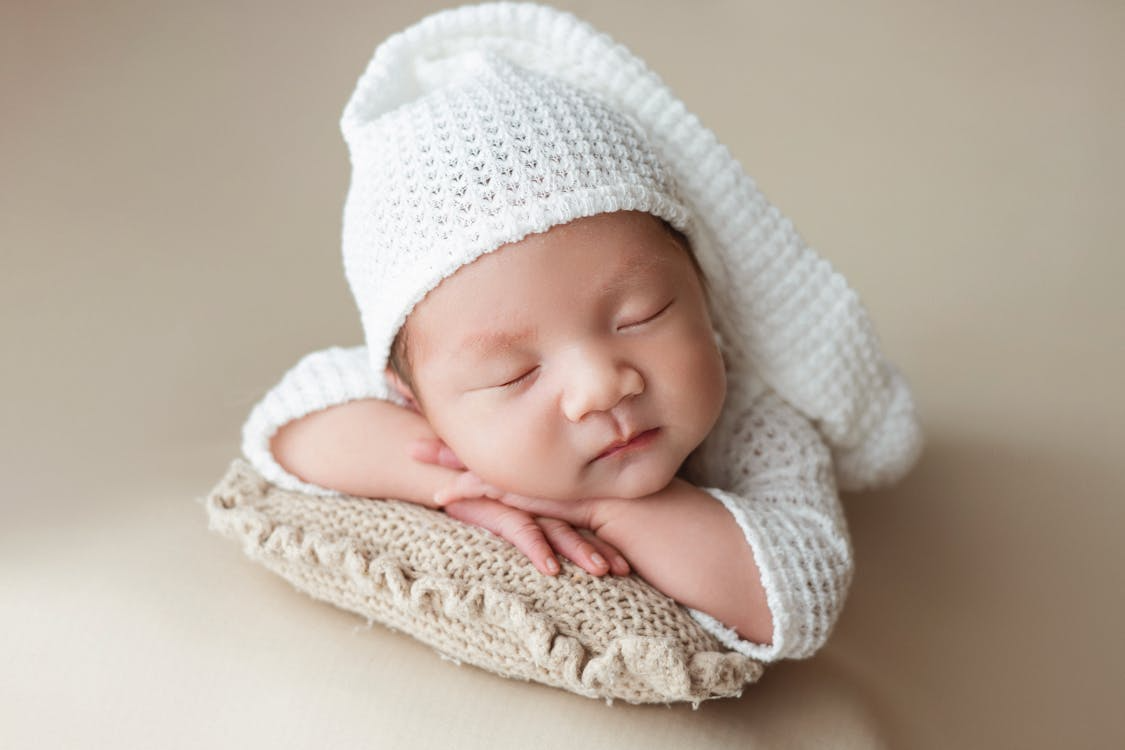
Baby names are more than labels; they carry history, belief systems, and cultural values.
Around the world, naming trends reveal how societies balance tradition with modern influence. Some cultures prioritize continuity and family honor, while others embrace creativity, individuality, or global inspiration. Looking at the most popular baby names worldwide shows how identity is shaped from the very beginning of life.
Names also reflect broader social forces. Religion, migration, media, and historical events all leave fingerprints on naming patterns. What parents choose today often signals what they value, admire, or hope for their children.
Tradition and Religious Influence
In many parts of the world, religious tradition plays a central role in naming. In countries with strong Christian heritage, names like Maria, John, Michael, and Anna remain common due to their biblical roots. These names endure because they signal continuity, moral grounding, and familiarity across generations.
In Muslim-majority countries, names drawn from Islamic tradition dominate. Names such as Muhammad, Ahmed, Fatima, and Aisha are popular not only for their meaning but also for their connection to faith and history. Variations of these names appear across regions, reflecting local language and pronunciation.
In India, religious and cultural diversity leads to a wide range of naming traditions. Hindu names often reference deities, virtues, or natural elements, while Muslim, Sikh, and Christian communities draw from their own distinct traditions. Meaning frequently plays a role, with parents choosing names that symbolize strength, wisdom, or prosperity.
Explore How Holidays Are Celebrated Differently Across Cultures for tradition comparisons.
Regional Identity and Heritage
Some naming trends emphasize national or linguistic identity. In Scandinavia, names like Erik, Lars, Freja, and Ingrid reflect Norse heritage and mythology. These names persist even as societies modernize, reinforcing a sense of cultural continuity.
In parts of Africa, names often carry explicit meanings tied to circumstances of birth or family hopes. A child’s name may reference the day they were born, a significant event, or a desired trait. In these cultures, a name functions almost as a sentence, telling a story about the child’s arrival into the world.
In Latin America, naming traditions blend indigenous roots with European influence. Spanish and Portuguese names dominate, but indigenous names are increasingly reclaimed as expressions of cultural pride. Double names are also common, reflecting both religious devotion and family tradition.
Discover Most Common Superstitions Across Cultures for belief-based traditions.
Pop Culture and Global Influence
In recent decades, pop culture has become a powerful driver for the most popular baby names worldwide. Movies, television shows, musicians, and athletes influence parents worldwide. A popular series can spark sudden spikes in specific names, even across language and cultural boundaries.
In English-speaking countries, unique spellings and invented names have become increasingly popular. Parents often seek names that feel distinctive while still familiar. This trend reflects a broader cultural emphasis on individuality and personal branding.
Globalization also plays a role. Names that travel well across languages, such as short, easy-to-pronounce names, are increasingly favored. Parents consider how a name will function in international settings, especially in globally connected societies.
See How People Date Around the World for insights on relationship norms.
Gender, Meaning, and Modern Values
Shifts in gender norms are visible in naming choices. Gender-neutral names are rising in popularity in several countries, reflecting changing attitudes toward identity and self-expression. Names once associated with one gender are increasingly used across the spectrum.
Meaning remains important, but interpretations evolve. Traditional meanings tied to obedience or hierarchy may give way to names associated with creativity, resilience, or independence. Parents are often drawn to names that feel aspirational without being restrictive.
In some cultures, ancestral naming conventions are loosening. Where children were once named strictly after grandparents or elders, parents now blend tradition with personal preference, creating hybrid naming practices.
Check out How Parenting Styles Differ Across Countries for family value comparisons.
Stability Versus Change
Despite global trends, many naming patterns remain remarkably stable. Specific names persist for centuries, surviving political shifts, technological change, and cultural upheaval. Their endurance speaks to the deep emotional power of familiarity and continuity.
At the same time, naming trends can change quickly, especially in response to social movements or generational shifts. A name can rise rapidly in popularity and fade just as fast, reflecting how culture itself moves.
Together, these patterns show that baby names are a quiet but powerful record of how societies see themselves. They capture the tension between honoring the past and imagining the future one name at a time.