
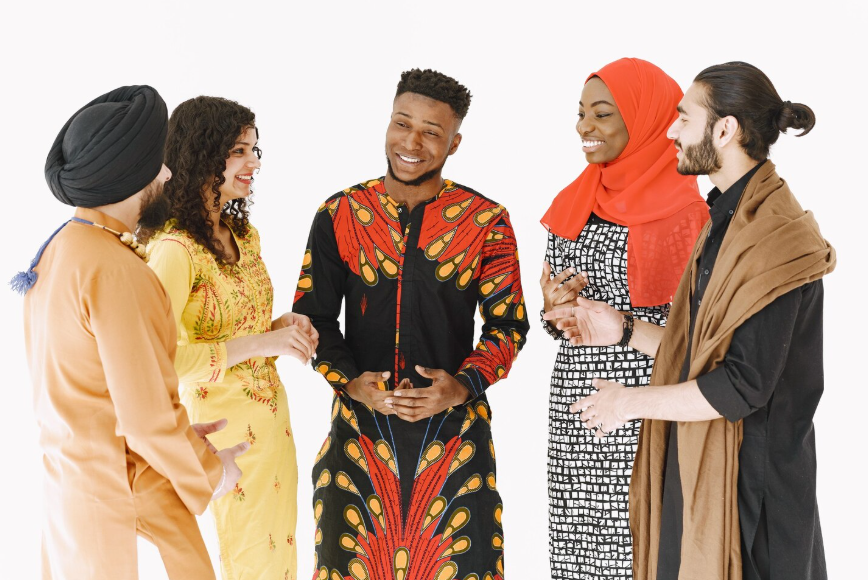
Understanding how gestures are interpreted across cultures helps explain why good intentions sometimes land poorly and how awareness can prevent awkward moments.
Gestures feel universal because they are learned early and used instinctively. A nod, a wave, or a hand signal often seems self-explanatory until it isn’t. Around the world, cultural gesture differences can signal agreement, insult, gratitude, or confusion depending on the cultural context. These differences are a frequent source of misunderstanding for travelers and newcomers.
Gestures are powerful because they bypass language. They communicate intent quickly, but that speed also makes them risky.
Head Movements and Facial Signals
One of the most surprising differences involves head movements. In much of the world, nodding means “yes” and shaking the head means “no.” In parts of Bulgaria and Greece, however, these meanings can be reversed or modified. A single nod may indicate “no,” while a side-to-side motion can suggest agreement, confusing visitors who rely on instinct.
Eye contact also varies widely. In the United States and much of Europe, steady eye contact signals confidence and honesty. In some East Asian cultures, prolonged eye contact may be seen as confrontational or disrespectful, especially toward elders or authority figures.
Smiling carries its own complexities. In some cultures, smiling is a default sign of friendliness. In others, it may be reserved for close relationships or used to mask discomfort rather than express warmth.
Explore How Different Countries Define ‘Good Manners’ for everyday etiquette expectations.
Hand Gestures That Don’t Travel Well
Hand gestures are among the most culturally specific signals. The “thumbs up” gesture is widely understood as positive in many countries, but in parts of the Middle East and South America, it can be offensive. What feels encouraging in one place may feel rude in another.
Pointing is another common source of confusion. In some cultures, pointing with a finger is considered impolite, especially toward people. Alternatives like using the whole hand or lips are preferred in parts of Asia and Africa.
The “OK” sign, made by forming a circle with the thumb and index finger, can also be risky. While it means approval in some countries, it can be vulgar or insulting elsewhere. These differences show how gestures accumulate meaning locally rather than globally.
Discover Most Common Superstitions Across Cultures for surprising global beliefs.
Personal Space and Touch
Gestures extend beyond hands and faces into physical distance and touch. In many Mediterranean and Latin American cultures, touch during conversation, such as a hand on the arm, is normal and friendly. Stepping back may feel cold or distant.
In contrast, cultures that value personal space, such as those in Northern Europe or East Asia, may interpret frequent touch as intrusive. Good manners involve respecting invisible boundaries that vary from place to place.
Even gestures like hugging or shaking hands differ. Some cultures favor firm handshakes, while others prefer softer contact or avoid physical greetings altogether. Misreading these norms can create discomfort without a single word spoken.
Gestures Linked to Respect and Hierarchy
In hierarchical cultures, gestures often signal respect or deference. Bowing in parts of East Asia communicates awareness of social roles. The depth and timing of the bow matter, conveying nuance that outsiders may miss.
In some cultures, showing the soles of one’s feet is considered disrespectful. Sitting positions that feel casual to visitors can be offensive in places where feet are associated with dirt or insult.
Gestures used to summon someone, such as beckoning with a finger, may also carry unintended meanings. What seems casual in one culture can appear dismissive or demeaning in another.
Read How Holidays Are Celebrated Differently Across Cultures for cultural traditions worldwide.
Why Gestures Cause Misunderstandings
Gestures are learned unconsciously, making them harder to adjust than spoken language. People often don’t realize they are gesturing at all, which makes mistakes more likely. When misunderstandings occur, they are usually interpreted as intentional rather than accidental.
These misinterpretations can affect social interactions, business relationships, and travel experiences. A single gesture can override spoken politeness if it carries strong local meaning.
Browse How Expats Choose Where to Move (Top Factors Worldwide) for relocation considerations.
Awareness Over Perfection
No visitor can master every gesture, but awareness matters more than precision. Observing how locals interact, mirroring cautiously, and erring on the side of restraint can prevent most issues.
Understanding that gestures are cultural and not universal encourages patience on all sides. When people recognize that intent and meaning don’t always align, small mistakes become opportunities for learning rather than offense.
By paying attention to how gestures change across cultures, travelers gain insight into how societies communicate respect, warmth, and boundaries, without saying a word.