
Examining comfort foods around the world reveals how cultures connect food with emotion and a sense of belonging.
Comfort foods exist in every culture, offering familiarity, warmth, and emotional reassurance. These dishes are rarely chosen for novelty or nutrition alone. Instead, they are tied to memories such as childhood meals, family gatherings, or moments of care during difficult times. What counts as comfort food varies widely, but the role it plays is remarkably consistent.
Comfort foods tend to be simple, filling, and predictable. They are foods people return to when they want something that feels safe.
Comfort Foods Rooted in Childhood
In many countries, comfort foods are closely tied to early experiences. In the United States, dishes like macaroni and cheese, mashed potatoes, or chicken soup are commonly associated with home cooking and care during illness. These foods are soft, mild, and easy to eat, reinforcing a sense of being looked after.
In the United Kingdom, similar emotional roles are played by foods such as shepherd’s pie or beans on toast. These dishes are inexpensive, filling, and familiar, reflecting traditions of practicality and routine rather than indulgence.
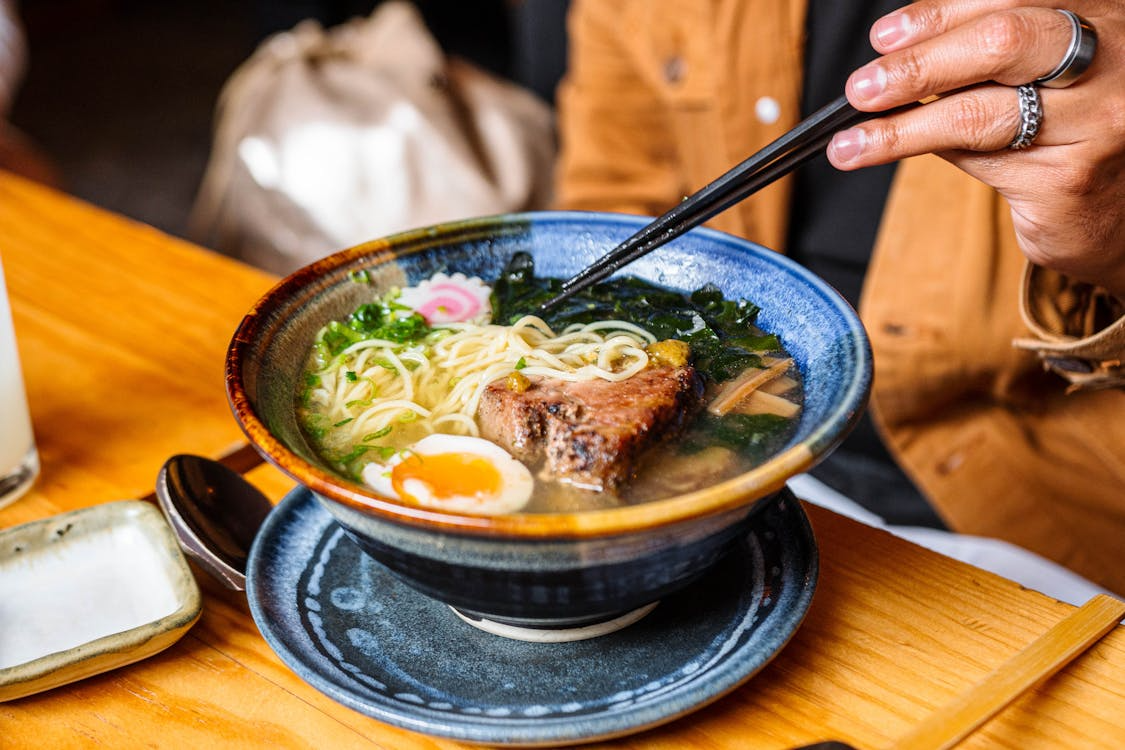
In Japan, comfort often comes in the form of rice-based dishes. A simple bowl of rice with toppings or a warm serving of ramen offers consistency and warmth. These foods are widely available but still carry a sense of home and emotional grounding.
Explore How Families Live Together Around the World for household tradition insights.
Hearty Dishes That Provide Security
In colder climates, comfort foods are often dense and warming. In Germany, stews and sausages served with potatoes are common comfort choices. These meals reflect agricultural traditions and the need for sustaining energy during long winters.
In Eastern Europe, dishes like pierogi or borscht serve a similar function. These foods are deeply tied to family recipes and seasonal rhythms. Eating them can feel like reconnecting with heritage as much as satisfying hunger.
In Canada, comfort foods often combine influences from multiple cultures. Dishes such as poutine, fries topped with gravy and cheese curds, offer richness and indulgence, reinforcing the idea of comfort as fullness and warmth.
Check What People Eat for Breakfast Around the World for everyday food traditions.
Comfort Foods Built Around Staples
Many of the world’s most loved comfort foods are built around staple ingredients. In Italy, pasta plays a central role. Simple pasta dishes with minimal ingredients are often considered more comforting than elaborate meals. Familiar textures and flavors matter more than presentation.
In India, comfort frequently comes from lentils, rice, and flatbreads. A simple meal of dal and rice can carry strong emotional meaning, especially for those living away from home. These foods are associated with nourishment and balance rather than excess.
In Latin America, staples like beans, rice, and corn form the base of many comfort foods. Dishes such as feijoada in Brazil or arepas in parts of the region provide both physical satisfaction and cultural continuity.
See Global Innovations in Farming and Food Technology for modern food production context.
Sweet Comfort and Emotional Relief
Not all comfort foods are savory. In many cultures, sweet foods provide emotional relief. In France, pastries and desserts serve as small comforts rather than large indulgences. A simple pastry with coffee can offer a moment of calm and routine.
In South Asia, sweets are often linked to celebration and emotional support. Offering sweets during stressful times is a way of expressing care and goodwill. The sweetness itself becomes symbolic of reassurance.
In East Asia, desserts are often less sugary, focusing on subtle flavors and textures. These treats provide comfort through familiarity rather than intensity.
Why Comfort Foods Matter
Comfort foods endure because they create a sense of emotional continuity. They connect people to place, family, and memory, even when circumstances change. Eating familiar food can reduce stress by providing predictability in uncertain moments.
These foods also reinforce cultural identity. Even when adapted or modernized, comfort foods remain recognizable. Across generations, they are passed down, shared, and returned to.
Learn What Life Costs Around the World (2026 Snapshot) for insights on the cost of everyday comfort foods.
Comfort in a Globalized World
Globalization has introduced comfort foods across borders. People living abroad often seek familiar dishes to recreate a sense of home. At the same time, new comfort foods emerge as cultures blend and evolve.
Despite changing tastes and lifestyles, comfort foods remain rooted in emotional meaning rather than trends. They remind people of who they are and where they come from.
Across cultures, comfort foods around the world serve the same purpose: offering familiarity when it is needed most. The ingredients may differ, but the emotional function is universal.