Rather than a single definition, what smart cities mean in 2026 is an approach to governance and infrastructure that uses data, connectivity, and design to make cities more efficient, resilient, and livable.
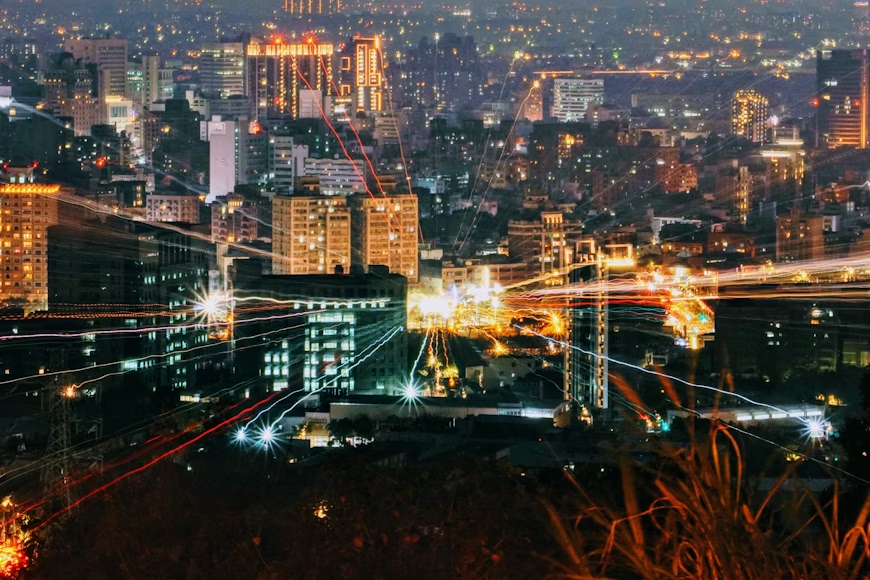
The term “smart city” is often used loosely, suggesting futuristic skylines filled with sensors and screens. In reality, smart cities in 2026 are less about spectacle and more about systems that quietly improve how cities function. The focus has shifted from experimental technology to practical tools that solve everyday urban problems.
From Gadgets to Urban Systems
Early smart city efforts often emphasized visible technology such as interactive kiosks, public Wi-Fi, or experimental pilot projects. By 2026, the emphasis has moved toward integrated systems that operate primarily out of sight.
Traffic signals adjust dynamically based on congestion patterns. Energy grids balance supply and demand in real time. Water systems detect leaks before they become emergencies. These systems rely on sensors and data, but residents mostly experience the results rather than the technology itself.
Smart cities now prioritize reliability over novelty. The goal is to make essential services work better, not to showcase innovation for its own sake.
Explore How Public Transit Tech Is Evolving Around the World for mobility examples.
Data-Driven City Management
Data is at the core of modern smart cities. Sensors, cameras, and connected devices generate continuous streams of information about movement, energy use, air quality, and infrastructure performance.
City planners use this data to make informed decisions. Maintenance becomes predictive rather than reactive. Streets are repaired before they fail, and public transit schedules adjust to real usage patterns.
Importantly, smart cities in 2026 focus on interoperability. Data systems are designed to work together across departments, reducing silos and improving coordination between transportation, utilities, and emergency services.
Read How AI Is Being Used in Everyday Life Globally for real-world applications.
Transportation and Mobility Integration
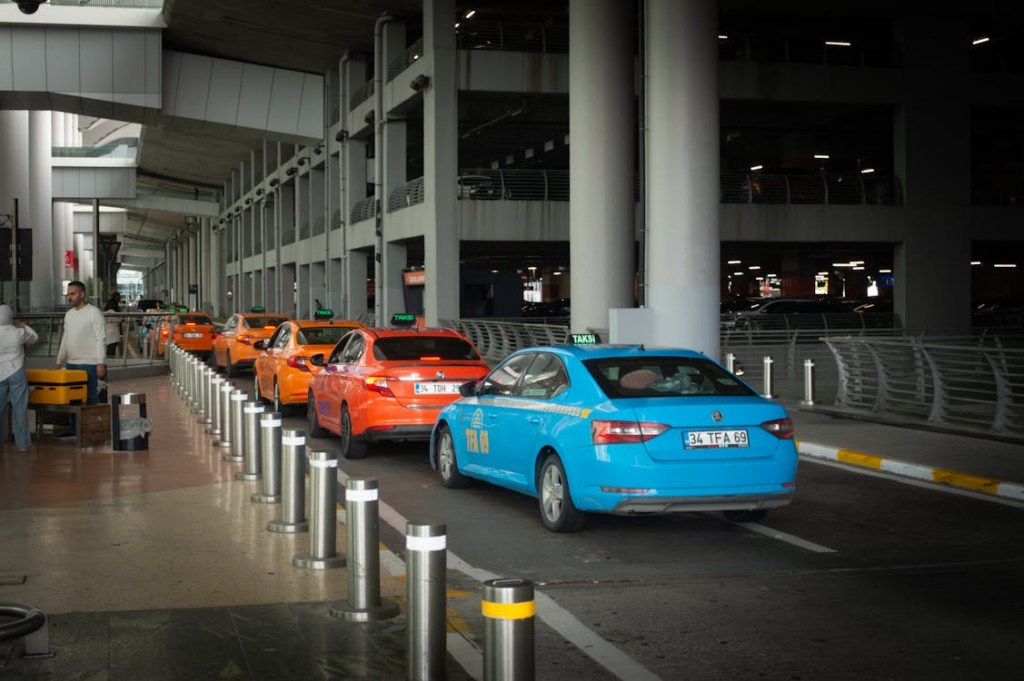
Mobility is one of the most mature smart city applications. Real-time transit data, unified payment systems, and multimodal planning enable residents to easily move between buses, trains, bikes, and shared vehicles.
Traffic management systems reduce congestion by prioritizing public transit and emergency vehicles. Parking systems guide drivers to available spaces, reducing unnecessary circulation.
In many cities, smart mobility is less about autonomous vehicles and more about optimizing what already exists. The result is smoother movement rather than radical disruption.
See Where Tourism Is Booming (And What Travelers Should Know) for context on mobility demands.
Energy, Sustainability, and Climate Resilience
Smart cities play a growing role in climate adaptation. Energy management systems optimize electricity use across buildings and neighborhoods. Renewable energy sources are integrated into local grids with storage systems that stabilize supply.
Cities use data to monitor heat islands, flood risk, and air pollution. This information informs urban design decisions such as tree placement, cooling centers, and flood barriers.
Sustainability in smart cities is increasingly practical. Instead of abstract climate goals, technology supports measurable reductions in waste, emissions, and resource use.
Digital Services and Civic Access
In 2026, smart cities focus heavily on digital access to public services. Residents can apply for permits, report issues, and access information through unified platforms.
These systems improve transparency and responsiveness. Requests are tracked, departments are accountable, and residents receive updates without needing to navigate bureaucracy.
Digital inclusion is also a priority. Smart cities increasingly recognize that technology must be accessible to all residents, not just those who are already digitally fluent.
Check out The Most Innovative Cities in the World (And Why) for urban leadership examples.
Privacy, Trust, and Governance
As cities collect more data, governance moves to the center of the smart city conversation. Residents ask who uses the data, where teams store it, and how they protect it.
Smart cities are now designed for privacy from the start. They collect only what they need, anonymize data by default, and run tighter oversight with clearer rules.
Public trust drives success. Cities that involve residents, explain benefits, and draw firm lines around surveillance win long-term support.
What Smart Cities Really Represent
In 2026, smart cities don’t rely solely on technology. Instead, they use connected tools with a clear intent to improve quality of life, reduce friction, and respond to real needs.
Often, the smartest cities stay the least flashy. Their systems run quietly, so residents avoid daily frustrations and move through urban life with less stress.
Smart cities no longer operate as experiments. Rather, they function as evolving frameworks that help cities navigate a complex, connected world—prioritizing function, resilience, and people over hype.