The most reliable airlines and airports succeed not because problems never occur, but because they are designed to handle problems well.
Reliability in air travel matters more than luxury or branding. For travelers, reliability means flights that depart and arrive on time, baggage that shows up as expected, clear communication during disruptions, and airports that function smoothly under pressure.
In 2026, reliability has become a defining metric as air travel volumes continue to rise and systems face constant stress from weather, staffing, and congestion.
What Reliability Really Means in Air Travel
Reliability goes beyond punctuality. On-time performance is important, but it is only one indicator. A reliable airline or airport also minimizes cancellations, recovers quickly from delays, and communicates clearly with passengers.
Operational consistency matters. Airlines with standardized fleets, efficient turnaround procedures, and disciplined scheduling tend to perform better. Airports that coordinate air traffic control, ground services, and passenger flow reduce bottlenecks that cascade into delays.
Reliability is therefore systemic. It reflects planning, culture, and execution rather than isolated performance metrics.
Explore How Public Transit Tech Is Evolving Around the World for infrastructure reliability parallels.
Airlines Known for Consistent Performance
Globally, the most reliable airlines tend to share several traits. They operate point-to-point or carefully managed hub systems, avoid overly aggressive scheduling, and invest heavily in maintenance and crew training.
Airlines based in regions with strong aviation regulation and infrastructure often perform well. Clear safety standards, predictable labor frameworks, and modern air traffic management systems support consistent operations.
Smaller or mid-sized airlines frequently outperform larger carriers on reliability metrics. With fewer aircraft types and simpler networks, they are better able to recover from disruptions.
Airports Designed for Flow and Recovery
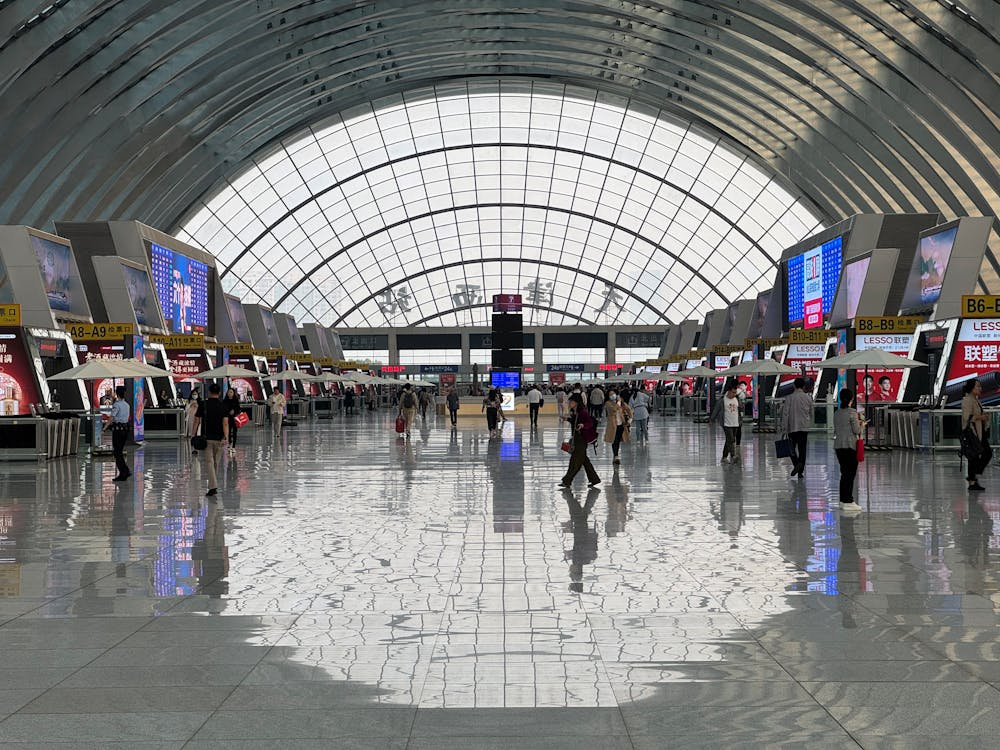
Airport reliability depends on layout, capacity planning, and coordination. The most reliable airports are designed around passenger flow rather than retail or architectural spectacle.
Efficient runway design, adequate taxiways, and modern baggage systems reduce the risk of delays. Airports with multiple runways and flexible gate usage recover faster from weather or mechanical issues.
Airports that consistently rank high for reliability often emphasize operational discipline over expansion speed. Growth is phased to avoid overwhelming existing systems.
Check The Most Innovative Cities in the World (And Why) for large-scale systems planning.
Weather, Geography, and Infrastructure
Geography plays a significant role in reliability. Airports in regions with mild, predictable weather naturally face fewer disruptions. However, some highly reliable airports operate in challenging climates by investing in mitigation systems.
Cold-weather airports with advanced de-icing operations and snow management maintain reliability despite harsh conditions. Similarly, airports in storm-prone regions rely on robust drainage, wind-tolerant runway design, and flexible scheduling.
Infrastructure investment determines whether geography is a limitation or a manageable factor.
Air Traffic Management and Coordination
Reliable airports depend on effective air traffic control. Countries that invest in modern radar, satellite-based navigation, and digital coordination systems reduce congestion and spacing inefficiencies.
Close coordination between airlines, airports, and air traffic authorities improves decision-making during disruptions. Shared data allows real-time adjustments that prevent minor issues from escalating.
Where airspace is fragmented or outdated, delays compound quickly, reducing reliability across entire regions.
See What ‘Smart Cities’ Actually Mean in 2026 for digital coordination examples.
Maintenance, Fleet Choices, and Staffing
For airlines, maintenance culture is critical. Reliable carriers invest proactively rather than reactively, addressing issues before they cause cancellations.
Fleet simplicity improves reliability. Airlines operating fewer aircraft models simplify training, spare parts logistics, and scheduling. This reduces the risk of cascading delays when an aircraft goes out of service.
Staffing stability also matters. Airlines and airports with predictable staffing levels and clear labor agreements handle peak demand more effectively than those operating at minimum margins.
Communication and Passenger Trust
Reliability includes how information is delivered. Clear, timely updates reduce frustration even when delays occur. Airlines and airports that communicate proactively are perceived as more reliable, regardless of circumstances.
Digital tools now play a central role. Apps that provide real-time gate changes, delay explanations, and rebooking options improve passenger experience during disruptions.
Trust is built when travelers feel informed rather than abandoned.
Read The Most Walkable Cities in the World for people-centered design insights.
Why Reliability Is Becoming the Key Differentiator
As air travel normalizes post-disruption cycles, reliability has overtaken luxury as the primary differentiator. Passengers prioritize predictability over premium extras.
Airlines and airports that deliver consistent operations gain loyalty even without being the cheapest or most glamorous options. Reliability saves time, reduces stress, and protects connections.
In 2026, the world’s most reliable airlines and airports succeed because they treat operations as a discipline, not a gamble. Their systems are built to absorb shock, adapt quickly, and keep people moving quietly and consistently.