
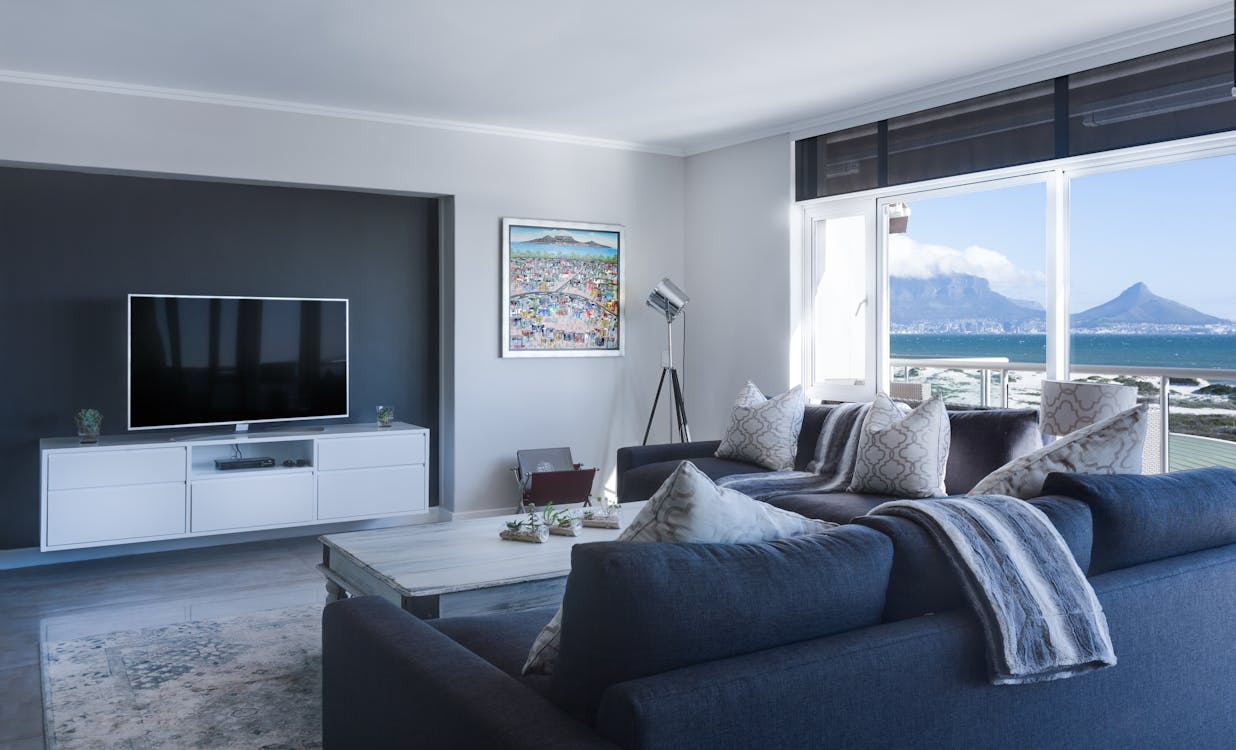
As global influence grows, global interior design trends and styles increasingly cross borders. Yet most homes still blend international ideas with deeply local priorities, creating spaces that feel both familiar and culturally specific.
Interior design reflects more than aesthetic preference. It reveals how people live, rest, and relate to space. Across cultures, homes are shaped by climate, tradition, available materials, and social values.
What feels cozy and functional in one country may feel sparse or excessive in another. These differences show how design responds to daily life rather than trends alone.
Minimalism and the Value of Space
In Japan, interior design has long emphasized simplicity, balance, and negative space. Rooms are often uncluttered, with flexible layouts that allow spaces to serve multiple purposes. This approach reflects cultural values of restraint, mindfulness, and harmony with the surrounding environment.
Scandinavian countries share a similar appreciation for minimalism, but with a stronger focus on warmth. Light woods, neutral colors, and soft textures create inviting interiors that offset long, dark winters. Comfort is achieved through simplicity rather than decoration.
In contrast, minimalism in some Western urban environments is driven by practicality. Smaller living spaces encourage clean lines and multifunctional furniture, making efficiency a design priority rather than a philosophical choice.
Explore How Families Live Together Around the World for household structure differences.
Warmth, Color, and Expressive Design
In many Mediterranean and Latin American countries, interior design favors warmth and color. Homes often feature textured walls, patterned tiles, and bold accents. These choices reflect a cultural comfort with expressiveness and social living.
In Mexico, for example, interiors may combine vivid colors with handcrafted elements, blending tradition with personal expression. Rooms are designed for gathering, conversation, and hospitality rather than solitude.
Similarly, in parts of the Middle East, rich fabrics, layered textiles, and decorative lighting create interiors that feel intimate and welcoming. Design supports social interaction and extended family living.
Check Global Wedding Traditions That Surprise Visitors for cultural style influences.
Tradition and Craftsmanship in the Home
Traditional craftsmanship remains central in many regions. In India, carved wood, natural fabrics, and symbolic patterns are common, even in modern homes. These elements connect interiors to cultural history and regional identity.
In Morocco, interior design often features intricate Moroccan tilework, arches, and courtyards. These designs serve both aesthetic and functional purposes, regulating temperature while reinforcing a sense of enclosure and privacy.
In rural areas worldwide, homes are often built using locally sourced materials. This results in design styles that are environmentally responsive and culturally distinct, shaped by necessity rather than trend cycles.
Urban Living and Adaptation
As cities grow denser, interior design adapts. In major urban centers across Asia and Europe, small apartments require creative solutions. Built-in storage, convertible furniture, and open-plan layouts maximize usable space.
In countries like South Korea, compact living has inspired innovative designs that integrate technology and efficiency. Smart storage and modular layouts allow residents to maintain comfort without excess.
These adaptations show how design evolves in response to economic and spatial constraints, creating new norms for modern living.
Read The Most Walkable Cities in the World to understand urban lifestyle patterns.
The Influence of Global Trends
Global media has introduced certain design styles worldwide. Concepts like open kitchens, neutral palettes, and natural light appear across continents. However, these trends are often adjusted to suit local lifestyles.
For example, while open-plan living is popular in many Western countries, it may be less common in cultures that value separation between private and communal spaces. Design trends are adopted selectively rather than wholesale.
Sustainability is also influencing interiors globally. Natural materials, energy-efficient layouts, and long-lasting furnishings are increasingly valued, reflecting growing environmental awareness.
See What Beauty Standards Look Like Around the World (And How They’re Changing) for cultural aesthetics.
Homes as Cultural Expression
Interior design ultimately reflects how people relate to home. Some cultures view home as a private retreat, while others see it as a social hub. These beliefs shape room layout, furniture placement, and decorative choices.
Despite global influence, local traditions remain strong. Homes continue to tell stories about climate, family structure, and cultural values.
By examining global interior design trends worldwide, it becomes clear that homes are not just styled; they are lived in. Design choices reflect daily routines, priorities, and the meaning people attach to comfort and belonging.