
The most successful approaches adapt technology to local conditions, improving resilience while protecting food security.
Farming and food production are changing rapidly as countries respond to population growth, climate pressure, and resource constraints. Farming technology innovations are no longer limited to tractors and fertilizers. Today, technology reshapes how food is grown, processed, and distributed, often enabling more to be produced with fewer resources.
Rather than replacing traditional farming, many of these innovations complement existing practices.
Vertical Farming and Urban Agriculture
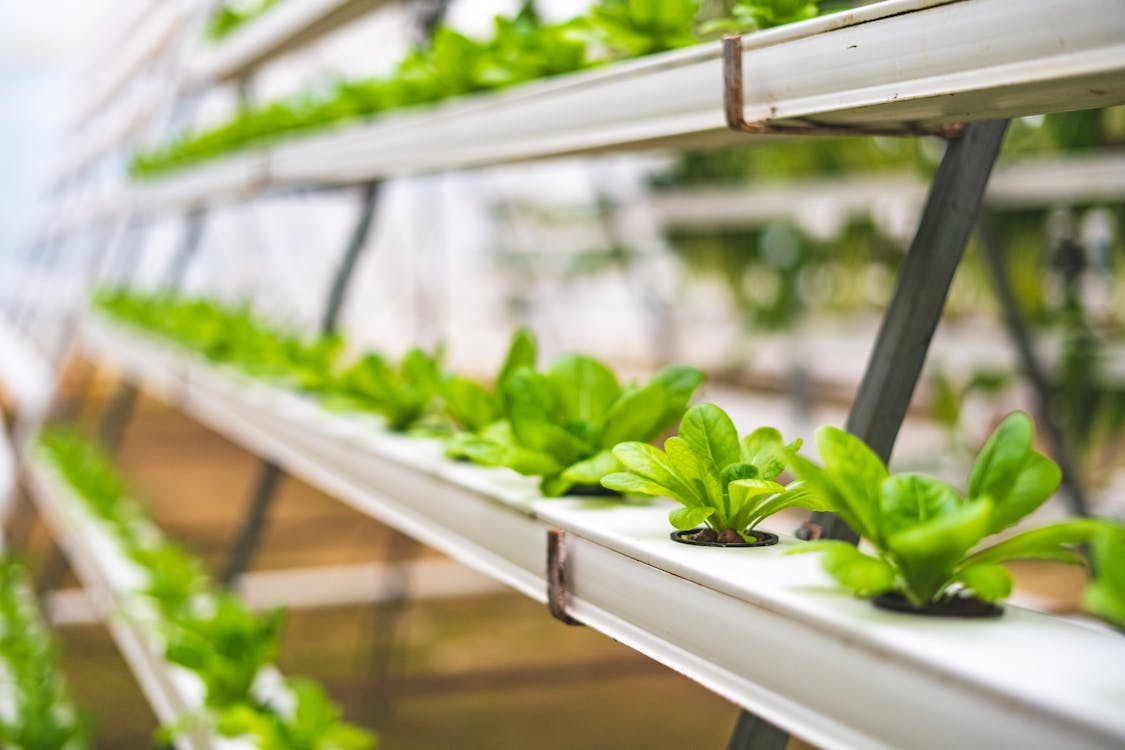
One of the most visible innovations is vertical farming. By growing crops in stacked layers indoors, farmers can produce food close to where people live. These systems rely on controlled environments, LED lighting, and precise nutrient delivery.
Countries with limited arable land, such as Singapore and parts of the Middle East, have invested heavily in vertical farming. These facilities reduce reliance on imports and protect crops from extreme weather.
Urban agriculture also shortens supply chains. Food travels fewer miles, reducing spoilage and emissions. While not suitable for all crops, vertical farms are effective for leafy greens and herbs.
Check out How Countries Are Preparing for Extreme Weather for climate adaptation strategies.
Precision Agriculture and Smart Farming
Precision agriculture uses data to guide decisions at the field level. Sensors, drones, and satellite imagery monitor soil health, moisture, and crop growth. Farmers apply water, fertilizer, and pesticides only where needed.
This approach improves yields while reducing environmental impact. In countries like the United States and Australia, large-scale farms use GPS-guided equipment to maximize efficiency. Smaller farms benefit as well, using mobile tools to track conditions affordably.
Precision farming shifts agriculture from guesswork to measurement, helping farmers respond quickly to changing conditions.
Explore The Most Impressive Engineering Feats Around the World for examples of large-scale innovations.
Alternative Proteins and Food Innovation
Food technology innovation extends beyond crops. Alternative proteins are gaining attention as countries seek sustainable food sources. Plant-based proteins, cultivated meat, and insect-based foods are being developed to reduce reliance on traditional livestock.
Countries like Israel and the Netherlands have become hubs for food-tech startups. Research focuses on taste, nutrition, and scalability rather than novelty alone.
These alternatives aim to reduce land use, water consumption, and emissions. While adoption varies by culture, interest continues to grow as production improves.
Climate-Resilient Crops and Biotechnology
Climate change has increased pressure on food systems. Droughts, floods, and temperature extremes threaten yields worldwide. In response, researchers are developing crops that tolerate heat, salinity, and water scarcity.
Biotechnology plays a role in this effort. Improved seed varieties help farmers maintain production under challenging conditions. In regions vulnerable to climate shocks, resilient crops help maintain food security.
These innovations focus on adaptation rather than replacement, helping farmers continue growing familiar foods in changing environments.
Automation and Robotics in Agriculture
Robotics is transforming agricultural labor. Automated harvesters, planting machines, and weed-removal robots reduce reliance on manual labor while increasing precision.
Countries facing labor shortages, such as Japan, have adopted agricultural robots to maintain production. These machines perform repetitive tasks consistently, freeing farmers to focus on management and planning.
Automation also improves safety. Robots handle tasks that are physically demanding or hazardous, reducing injury risk.
Read The Countries Most Advanced in Robotics for global automation leaders.
Reducing Food Waste Through Technology
Food waste is a major global challenge. Technology helps address it by improving forecasting, storage, and distribution. AI systems predict demand more accurately, reducing overproduction.
Improved cold storage and packaging extend shelf life, especially in developing regions. Digital platforms connect surplus food with buyers or donation networks, preventing unnecessary loss.
Reducing waste increases food availability without expanding farmland, making it one of the most effective sustainability strategies.
Learn How Different Countries Approach Recycling (And What Works Best) for waste management strategies.
The Future of Food Systems
Global innovations in farming and food technology reflect a shift toward efficiency, resilience, and sustainability. Rather than relying on a single solution, countries combine multiple approaches tailored to local needs.
The future of food depends on adaptability. As conditions change, farming systems must evolve without losing reliability or accessibility.
These innovations show that feeding the world is not just an agricultural challenge; it is a technological, environmental, and social one. Countries investing thoughtfully today are shaping more secure food systems for tomorrow.