Examining beauty standards around the world reveals both enduring traditions and emerging shifts toward broader definitions of attractiveness.
Beauty standards are often assumed to be universal, but they are profoundly shaped by culture, history, and social values. What is considered attractive in one region may hold little significance in another. These standards influence fashion, grooming, media, and even behavior, shaping how people present themselves and how they are perceived.
While beauty ideals have long been culturally specific, globalization and digital media are rapidly changing how they spread and evolve.
Traditional Beauty Ideals by Region
In East Asia, beauty standards have historically emphasized smooth skin, symmetry, and youthfulness. Pale skin has long been associated with refinement and status, reflecting agricultural histories in which indoor life signified privilege. Delicate features and understated presentation are often valued over boldness.
In parts of Africa, fuller body types have traditionally been associated with health, fertility, and prosperity. Scarification, beadwork, and elaborate hairstyles have served as markers of identity and beauty, signaling belonging and life stage rather than conformity to a single physical ideal.
In Europe, beauty standards have varied across eras and regions. Mediterranean cultures have often celebrated warmth, expressiveness, and natural features, while Northern European ideals have leaned toward restraint and minimalism. These differences reflect broader cultural attitudes toward visibility and self-expression.
Explore How Different Countries Define ‘Good Manners’ for cultural norms context.
Beauty and Social Status
In many cultures, beauty standards are closely tied to social position. Grooming practices, clothing choices, and body modification can signal class, education, or marital status. In some societies, investing time and resources into appearance communicates success and discipline.
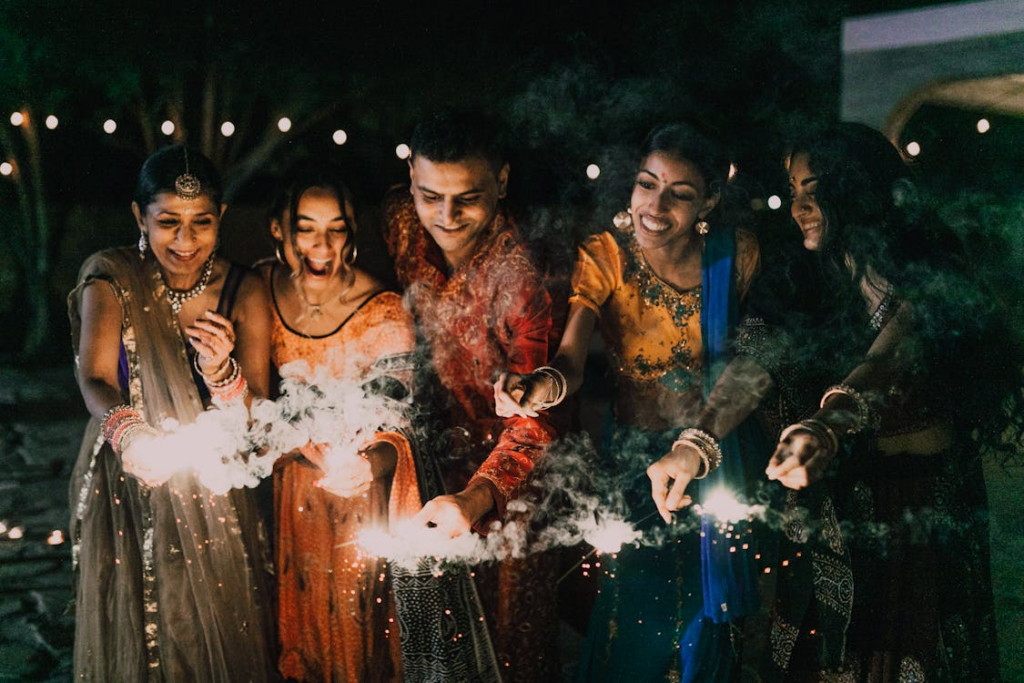
In South Asia, adornment plays a central role in beauty. Jewelry, henna, and elaborate clothing are not only decorative but symbolic, especially during festivals and weddings. Beauty is often seen as something enhanced through ritual rather than something purely natural.
In contrast, cultures that prize practicality may value simplicity and functionality. Minimal makeup, neutral clothing, and understated presentation can signal maturity and professionalism rather than neglect.
Check out How People Date Around the World for attraction and preference differences.
The Influence of Media and Globalization
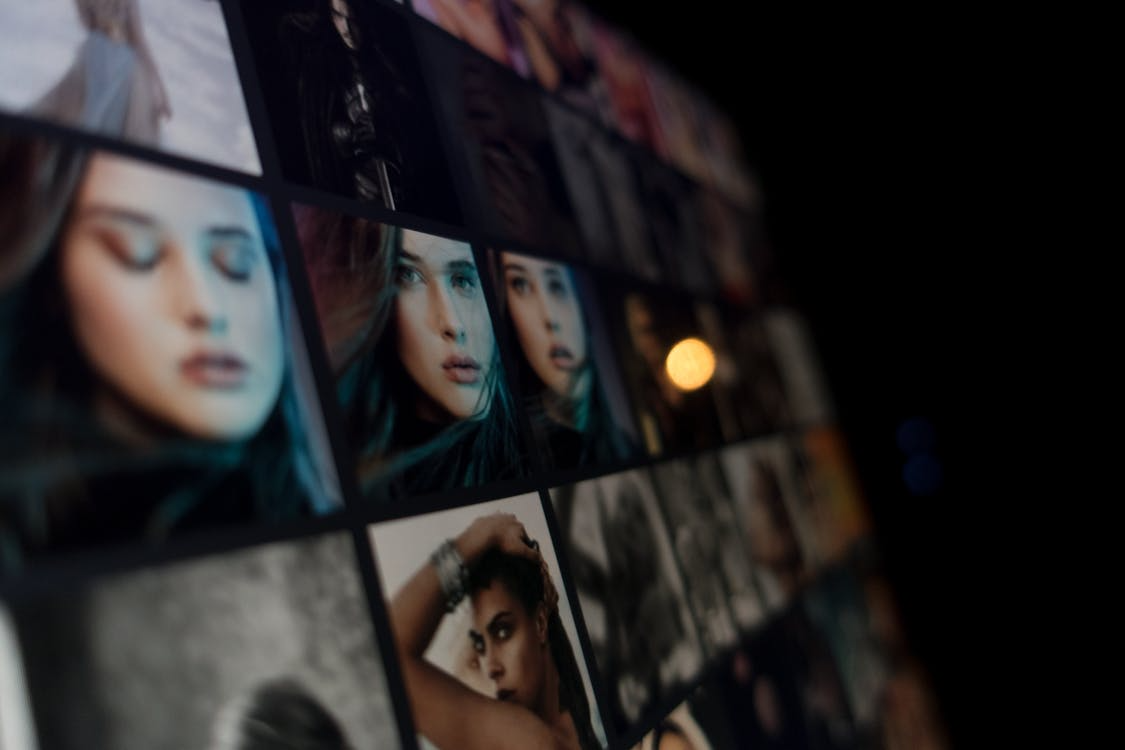
Global media has dramatically reshaped beauty ideals. Hollywood films, fashion advertising, and social media platforms spread specific looks across borders, often favoring narrow definitions of attractiveness. This has sometimes led to pressure to conform to external standards that clash with local traditions.
At the same time, globalization has increased exposure to diverse appearances. International celebrities, influencers, and athletes introduce new reference points, challenging older norms. Beauty ideals are no longer confined within national boundaries.
In some regions, this has created tension between traditional values and modern aspirations. Younger generations may embrace global trends, while older generations maintain established standards. Beauty becomes a space where cultural negotiation plays out.
See Global Interior Design Trends: What Homes Look Like Worldwide for aesthetic influence comparisons.
Changing Attitudes Toward Body and Identity
In recent years, beauty standards have begun to broaden in many parts of the world. Movements emphasizing body positivity, inclusivity, and authenticity challenge the idea that attractiveness must fit a narrow mold. Diverse body types, skin tones, and abilities are gaining visibility.
Gender norms around beauty are also shifting. In some cultures, men are increasingly encouraged to engage in grooming and self-care, while rigid expectations around femininity are loosening. Beauty is becoming less about fulfilling a role and more about personal expression.
These changes are uneven and ongoing. While progress is visible in media representation, social pressure remains strong in many communities. Beauty standards evolve slowly, shaped by both resistance and reinforcement.
Learn How Parenting Styles Differ Across Countries for values shaping confidence and self-image.
Tradition, Choice, and the Future of Beauty
Despite global influence, local beauty traditions remain resilient. Many cultures continue to value practices passed down through generations, viewing them as expressions of identity rather than constraints. Traditional hairstyles, clothing, and rituals coexist with modern trends.
The future of beauty standards appears increasingly plural rather than singular. Instead of one ideal replacing another, multiple definitions of beauty now exist simultaneously. Individuals navigate these options, choosing which standards to embrace, adapt, or reject.
Understanding beauty standards across cultures highlights how deeply appearance is tied to meaning. Beauty is not just about looks; it reflects history, values, and changing ideas about selfhood. As cultures continue to interact, beauty standards will likely keep evolving and expanding rather than narrowing.