From lucky numbers to forbidden actions, common superstitions around the world reveal how cultures interpret fate, danger, and fortune.
Superstitions exist in every society, often blending history, religion, and folklore into everyday beliefs. While they may seem irrational on the surface, superstitions serve a deeper purpose: they help people explain uncertainty, manage anxiety, and feel a sense of control over unpredictable events.
What differs across cultures is not the presence of superstition, but the symbols and stories attached to it.
Lucky and Unlucky Numbers
Numbers carry strong symbolic meaning in many cultures. In Western countries, the number thirteen is often associated with bad luck. Buildings may skip the thirteenth floor, and people avoid important events on the thirteenth day of the month. The origin is debated, but religious and historical associations have reinforced the belief.
In much of East Asia, the number four is considered unlucky because its pronunciation resembles the word for death in several languages. Hospitals and apartment buildings may omit the fourth floor entirely. In contrast, the number eight is viewed as highly lucky, symbolizing prosperity and success.
Other cultures assign luck differently. In Italy, seventeen is often considered unlucky, while in parts of the Middle East, specific numbers are associated with protection rather than danger. These beliefs shape architecture, pricing, and personal decisions in subtle ways.
Explore Global Interior Design Trends: What Homes Look Like Worldwide for symbolic design influences.
Everyday Actions That Carry Meaning
Many superstitions focus on ordinary actions. In Western cultures, breaking a mirror is said to bring seven years of bad luck, while spilling salt requires tossing some over the shoulder to counteract misfortune. These small rituals offer reassurance after perceived mistakes.
In Russia and several Eastern European countries, sitting on a table is considered bad luck, as tables symbolize family and sustenance. Whistling indoors is also believed to invite poverty, reinforcing norms around respect and restraint.
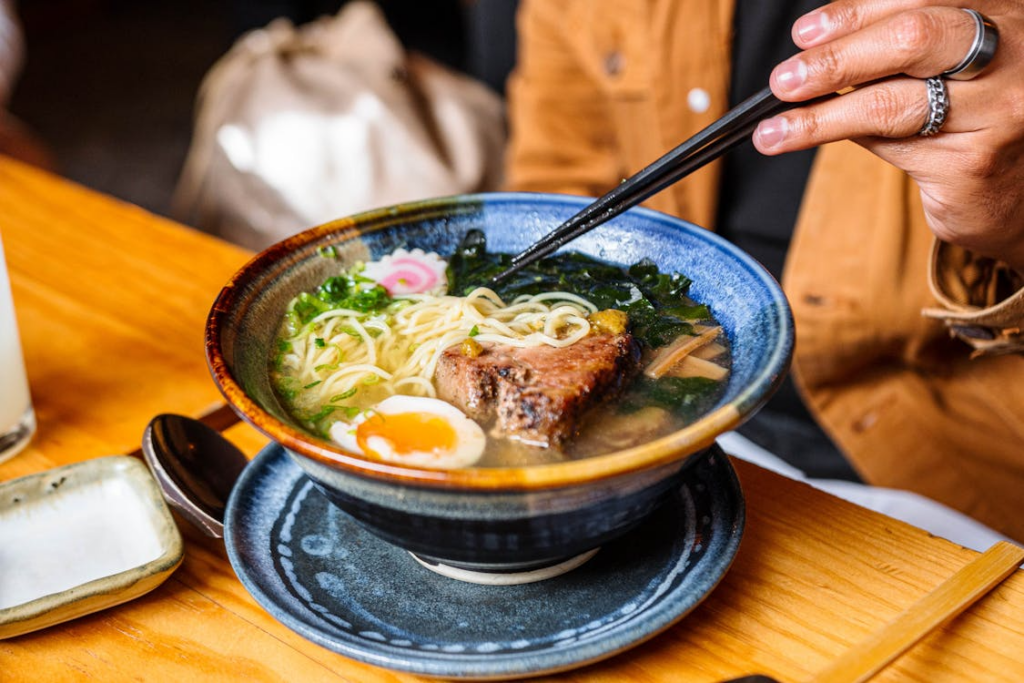
In Japan, sticking chopsticks upright in a bowl of rice is avoided because it resembles funeral offerings. What may appear to visitors as a minor dining error carries strong symbolic weight locally.
See How Different Countries Define ‘Good Manners’ for everyday behavior norms.
Objects of Protection and Fortune
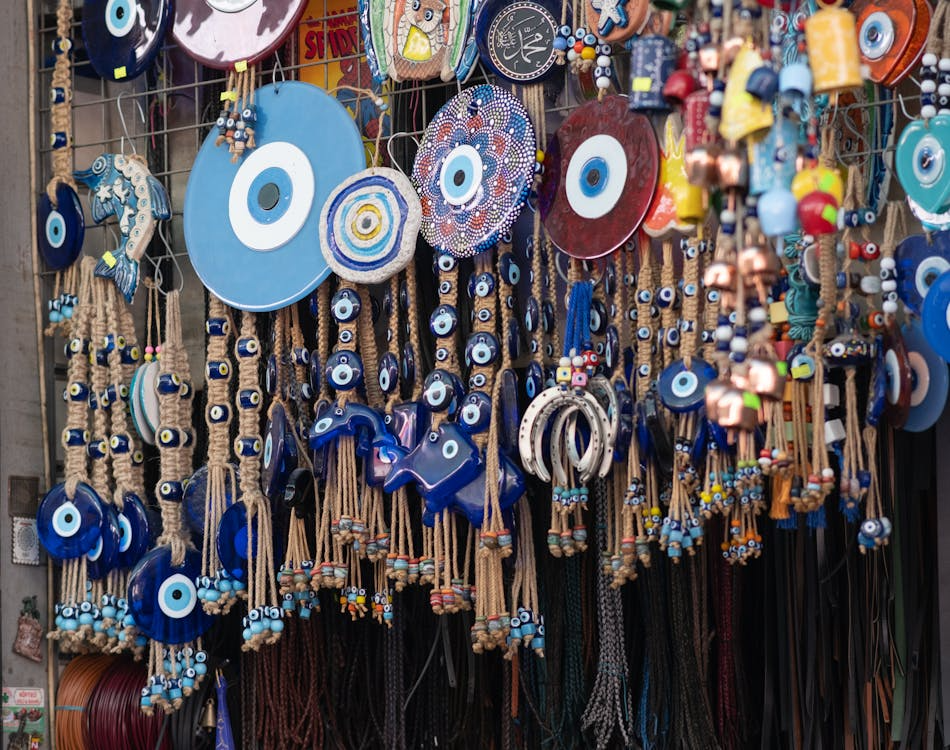
Protective charms and symbols appear across cultures. In many Mediterranean and Middle Eastern regions, the evil eye symbol is believed to ward off jealousy and harm. It is worn as jewelry, displayed in homes, or given to children for protection.
In Ireland, horseshoes are associated with good luck, especially when hung with the open end facing upward to “hold” fortune. In parts of Asia, red strings or bracelets serve a similar protective purpose.
These objects provide comfort and continuity. Even people who do not fully believe in superstition may still keep these symbols nearby, treating them as cultural habits rather than literal safeguards.
Read The World’s Most Popular Baby Names (And What They Mean) for cultural symbolism.
Superstitions Around Travel and Transitions
Moments of transition often attract superstition. In many cultures, it is considered unlucky to leave a house and then return immediately, as this is believed to invite bad outcomes. Some traditions require sitting briefly before departing to ensure a safe journey.
In parts of Latin America, sweeping over someone’s feet is thought to prevent them from marrying. While often said jokingly, such beliefs reflect underlying cultural narratives about destiny and social milestones.
Weddings, births, and funerals are particularly rich in superstition. Specific colors, dates, or actions are chosen or avoided to influence future outcomes.
Why Superstitions Persist
Superstitions endure because they offer structure in uncertain situations. They create shared rules that help people feel prepared, even when outcomes are uncontrollable. In this way, superstition functions less as belief and more as cultural language.
They also reinforce social norms. Many superstitions discourage behavior deemed disrespectful or risky, embedding moral guidance in folklore.
Check out How Holidays Are Celebrated Differently Across Cultures for tradition-driven rituals.
Modern Attitudes Toward Superstition
In a scientific age, superstition has not disappeared. Instead, it has adapted. People may claim not to believe, yet still avoid tempting fate “just in case.” Superstitions become habits rather than convictions.
Across cultures, these beliefs continue to quietly shape behavior. They remind us that logic and tradition often coexist, each serving different emotional needs.
By exploring common superstitions around the world, it becomes clear that they are less about fear and more about meaning. They reflect how cultures interpret the unknown and how humans everywhere seek reassurance in shared stories.