
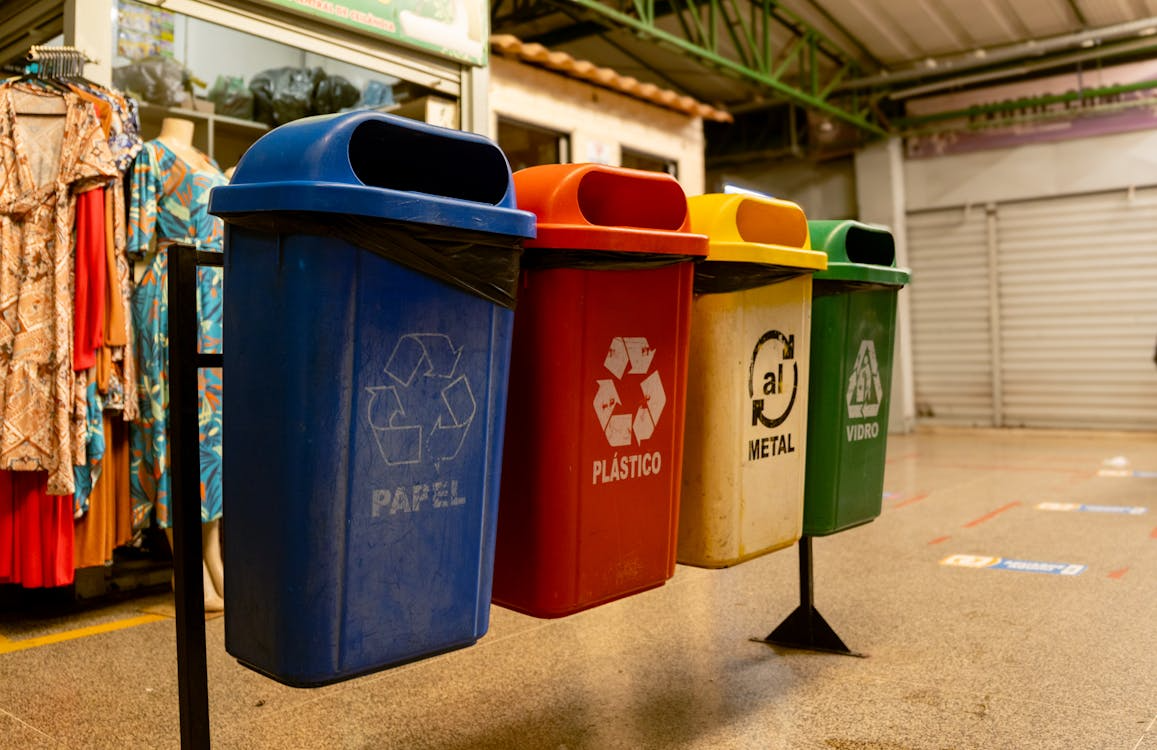
Understanding the differences in recycling by country shows that it is not just about bins and labels, but about how recycling systems are designed and how well they align with everyday behavior.
Recycling is often presented as a universal solution, but how it actually works varies widely by country. Cultural habits, infrastructure, policy design, and public trust all influence whether recycling systems succeed or struggle. Some countries achieve high participation and low contamination, while others face confusion, inefficiency, or public fatigue.
High-Participation Recycling Systems
Countries with the most effective recycling systems tend to prioritize clarity and consistency. In Germany, recycling is supported by detailed sorting categories and a strong deposit-return system for bottles and cans. Consumers pay a small deposit upfront and receive it back when they return the containers, creating a clear incentive.
This system works because expectations are reinforced everywhere, from homes to public spaces. Clear labeling, standardized bins, and early education make recycling a routine habit rather than a moral appeal.
Similarly, countries like South Korea have invested heavily in food waste separation. Households sort organic waste separately, often using smart bins that track usage. This reduces landfill volume and supports composting and energy recovery.
Explore Countries Leading the World in Renewable Energy for national sustainability leadership.
Convenience Versus Responsibility
In some countries, recycling systems are designed to minimize effort. Single-stream recycling, standard in parts of the United States, allows people to place all recyclables in one bin. This approach increases participation but can lead to higher contamination if sorting rules are unclear.
Other countries emphasize responsibility over convenience. In Japan, recycling requires careful separation into multiple categories, often on specific collection days. While this system requires more effort, it yields cleaner materials and higher-quality recycled products.
These approaches reflect different philosophies. Convenience-focused systems aim to increase participation, while responsibility-focused systems aim to achieve higher material recovery.
Read How Countries Handle Tipping Culture for insights on behavior-driven systems.
Cultural Attitudes Toward Waste
Cultural norms strongly influence recycling behavior. In countries where waste reduction is tied to social responsibility, participation tends to be higher. Recycling becomes a shared expectation rather than an optional act.
In parts of Scandinavia, waste sorting is seen as a fundamental civic duty. Clear communication and trust in public systems reinforce compliance. People believe their effort makes a difference, which sustains long-term engagement.
In contrast, where recycling systems are perceived as inefficient or opaque, motivation drops. If people suspect that recyclables end up in landfills anyway, participation declines regardless of infrastructure.
Infrastructure and Local Capacity
Recycling success depends heavily on local processing capacity. Countries with advanced sorting facilities and domestic recycling industries are better positioned to handle collected materials.
In nations that rely on exporting recyclables, market changes can disrupt systems quickly. When international demand drops, materials may be landfilled instead, undermining public trust.
Countries investing in local recycling infrastructure gain resilience. They can adapt to changing markets and ensure materials are actually reused, reinforcing the value of participation.
Check out The Most Innovative Cities in the World (And Why) for advanced urban solutions.
Policy Design and Economic Incentives
Policy plays a critical role in shaping recycling outcomes. Extended producer responsibility laws require manufacturers to account for the end-of-life impact of their products. This encourages better packaging design and reduces waste upstream.
Economic incentives also matter. Deposit schemes, pay-as-you-throw waste systems, and landfill taxes influence behavior more reliably than awareness campaigns alone.
Countries that combine clear rules with financial signals tend to see better results. Recycling becomes part of an economic system rather than a voluntary gesture.
Education and Simplicity
Public education is essential, but simplicity matters more than volume of information. Countries with successful recycling programs focus on clear, repeatable messages rather than constant rule changes.
When recycling guidelines shift frequently, confusion increases. Consistency allows habits to form. Visual cues, standardized colors, and straightforward instructions reduce decision fatigue.
Education is most effective when it starts early. Teaching children how and why to recycle establishes long-term behavioral norms that carry over into adulthood.
See What ‘Smart Cities’ Actually Mean in 2026 for future-ready waste systems.
What Works Best Across Countries
No single recycling model works everywhere. Successful systems align with local culture, infrastructure, and policy capacity. However, certain principles appear consistently.
Clear rules outperform vague encouragement. Economic incentives reinforce good intentions. Local processing capacity builds trust. And systems that respect human behavior, rather than fighting it, are more likely to succeed.
Recycling works best when it feels practical, fair, and worthwhile. Countries that design systems around these principles show why recycling by country succeeds when systems align with human behavior.