
Countries approach extreme weather preparedness differently based on geography, resources, and governance, but successful strategies share common principles: anticipation, adaptation, and coordination.
Extreme weather is no longer treated as a rare event. Heatwaves, floods, droughts, storms, and wildfires now occur with greater frequency and intensity, forcing countries to rethink how they protect people, infrastructure, and economies. Preparation today focuses less on emergency reaction and more on long-term resilience built into everyday systems.
Infrastructure Built for Resilience
One of the most important defenses against extreme weather is resilient infrastructure. Countries vulnerable to flooding invest in reinforced drainage systems, elevated roadways, and flood barriers designed to handle higher water volumes.
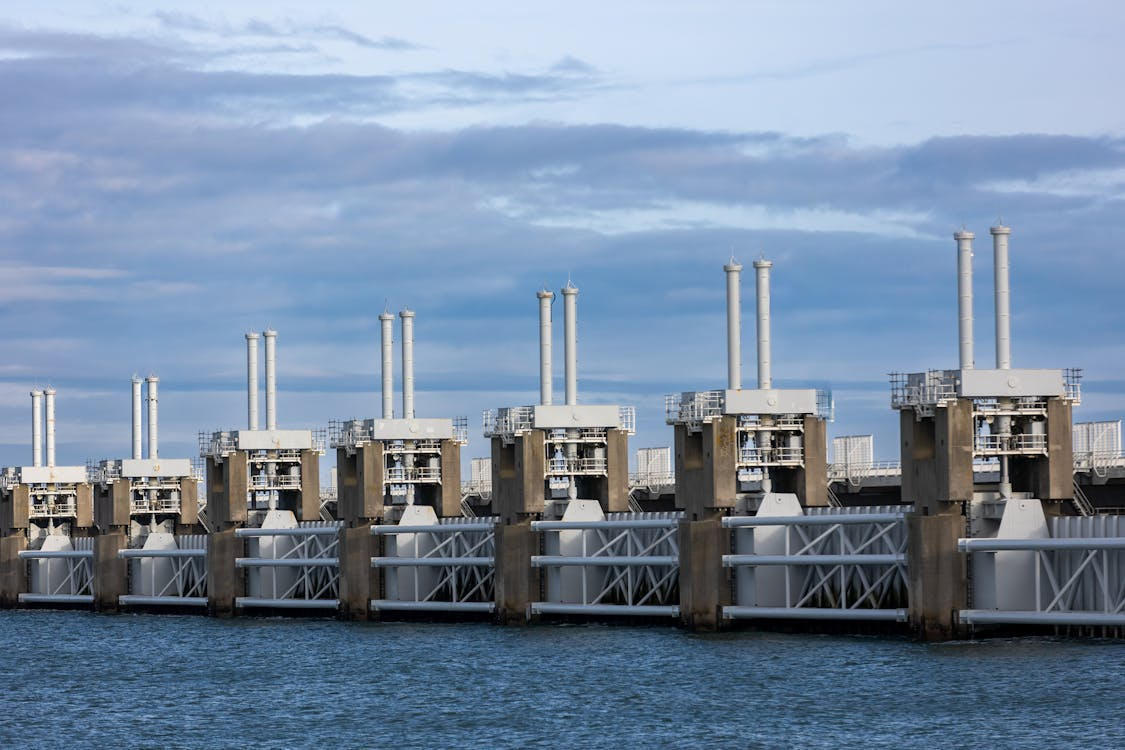
In coastal regions, sea walls, surge barriers, and restored wetlands reduce storm impact. These projects are engineered to absorb force rather than block it, recognizing that flexibility matters as much as strength.
Heat-resistant infrastructure is also becoming standard. Roads, rail lines, and power systems are redesigned to withstand extreme temperatures that once caused frequent failures.
Explore The Most Impressive Engineering Feats Around the World for large-scale resilience projects.
Urban Design and Climate Adaptation
Cities play a central role in preparing for extreme weather. Dense populations make urban areas particularly vulnerable, but also allow coordinated solutions at scale.
Many cities are addressing heat through design changes. Green roofs, tree canopies, reflective surfaces, and shaded public spaces reduce urban heat islands. These measures lower temperatures while improving air quality and livability.
Flood-prone cities redesign streets and parks to absorb water during heavy rain. Instead of forcing water out quickly, landscapes are shaped to hold it, temporarily relieving overwhelmed drainage systems.
Discover What ‘Smart Cities’ Actually Mean in 2026 for climate-ready urban planning.
Early Warning Systems and Forecasting
Accurate weather forecasting saves lives. Countries increasingly rely on advanced weather modeling, satellite monitoring, and real-time sensors to detect threats early.
Early warning systems issue alerts for storms, heatwaves, and floods, giving communities time to prepare or evacuate. These systems are most effective when alerts are clear, localized, and trusted.
In regions with limited infrastructure, mobile alerts and community-based warning networks extend reach. Preparation depends not just on technology, but on communication that people understand and act upon.
Emergency Planning and Community Preparedness
Preparation is not only physical; it is organizational. Countries invest in coordinated emergency plans that clarify roles across government agencies, utilities, and healthcare systems.
Regular drills and public education campaigns ensure people know what to do during extreme events. Clear evacuation routes, shelter locations, and response protocols reduce panic and confusion.
Community-level preparedness is especially important. Local organizations often respond fastest, making neighborhood resilience a critical part of national strategy.
Agriculture and Water Management Strategies
Extreme weather threatens food and water security. Countries prepare by diversifying their crop portfolios, improving irrigation efficiency, and investing in drought-resistant agriculture.
Water management systems store excess rainfall for dry periods and regulate supply during droughts. Reservoirs, aquifers, and reuse systems help stabilize availability under unpredictable conditions.
These strategies reduce vulnerability while supporting long-term sustainability rather than short-term crisis response.
Learn Global Innovations in Farming and Food Technology for climate-resilient food systems.
Energy Systems and Grid Protection
Energy infrastructure is highly exposed to extreme weather. Countries prepare by hardening power grids, burying lines where possible, and diversifying energy sources.
Decentralized energy systems improve resilience. Local renewable generation and storage allow communities to maintain power during grid disruptions.
Utilities also use predictive maintenance and real-time monitoring to address issues before failures cascade.
Read Countries Leading the World in Renewable Energy for grid resilience examples.
Policy, Planning, and Long-Term Investment
Preparation depends on policy choices. Countries that integrate climate risk into planning and investment decisions are better positioned to adapt.
Building codes, land-use regulations, and insurance frameworks increasingly reflect the realities of extreme weather. These policies discourage development in high-risk areas and encourage resilient construction.
Long-term investment matters more than reactive spending. Preparation spreads cost over time while reducing damage and recovery expenses.
See How Different Countries Approach Recycling (And What Works Best) for policy-driven sustainability strategies.
Preparing for a New Normal
Extreme weather preparation is no longer about returning to past conditions. It is about adapting to a new baseline where extremes are expected.
Countries that succeed focus on flexibility rather than fixed solutions. Systems are designed to evolve as conditions change.
Preparing for extreme weather is ultimately about protecting people and continuity. The most effective strategies recognize that resilience is built into daily life, long before the next storm arrives.