The countries leading the world tend to align technology with natural advantage and long-term planning.
Renewable energy has moved from a niche concern to a central pillar of national planning. Countries investing heavily in clean power are not only addressing climate challenges but also strengthening energy security, reducing long-term costs, and reshaping their economies. Renewable energy leaders look different across geographies, resources, and policy priorities.
Rather than a single path, nations pursue renewable energy through combinations of wind, solar, hydroelectric, geothermal, and emerging storage technologies.
Wind Power Leaders and Coastal Advantage
Wind energy has become one of the fastest-growing renewable sources worldwide. Countries with strong coastal winds and open land have capitalized on this resource. Denmark is often cited as a leader, with wind supplying a large share of its electricity. Long-term investment, supportive policy, and public acceptance have made wind a reliable backbone of its energy system.
As one of the renewable energy leaders, Germany has also invested heavily in wind power, particularly in northern regions and offshore projects. Wind development there is tied to broader energy transition goals, integrating renewables into an industrialized economy with high demand.
In the United States, wind power dominates renewable generation in several central states. Vast land availability and declining turbine costs have allowed wind to scale rapidly, especially in rural areas.
Explore How Countries Are Preparing for Extreme Weather for climate adaptation strategies.
Solar Power and Sun-Rich Regions
Solar energy leadership often aligns with geography. Countries with high sunlight exposure have embraced large-scale solar projects. Australia stands out for its rapid adoption of rooftop solar, driven by high energy costs and abundant sunshine. A significant portion of households generate their own electricity.
In China, solar power has expanded at an unprecedented scale. Massive solar farms and domestic manufacturing have positioned the country as both a leading producer and installer of solar technology. This scale has driven down global costs, accelerating adoption worldwide.
In the Middle East, countries traditionally reliant on fossil fuels are increasingly investing in solar. Large desert-based solar projects reflect efforts to diversify energy portfolios and plan for long-term sustainability.
Discover Global Innovations in Farming and Food Technology for sustainability-driven breakthroughs.
Hydroelectric Power and Natural Resources
Hydropower remains one of the oldest and most established renewable sources. Countries with mountainous terrain and abundant water resources have long relied on it. Norway generates most of its electricity from hydropower, benefiting from geography and early infrastructure investment.
Canada also relies heavily on hydroelectric power, particularly in provinces with large river systems. Hydropower provides stable, low-emission electricity and supports energy exports to neighboring regions.
In South America, countries like Brazil have built extensive hydroelectric networks. While hydropower offers reliability, it also raises concerns about environmental impact and community displacement, leading to more cautious development in recent years.
Geothermal and Specialized Innovation
Geothermal energy is less widespread but highly effective where conditions allow. Iceland is a standout example, using geothermal power for both electricity and heating. This resource has shaped daily life, from warm homes to heated sidewalks.
New Zealand and parts of East Africa also harness geothermal energy, integrating it into national grids. These projects demonstrate how localized resources can play an outsized role in energy systems.
In addition to generation, innovation in storage and grid management is becoming critical. Countries investing in batteries, smart grids, and energy storage are positioning themselves for renewable reliability rather than intermittent supply.
Read The Future of Batteries: What Researchers Are Working On for storage technology trends.
Policy, Investment, and Long-Term Planning
Leadership in renewable energy is not only technological but political. Countries with clear policy frameworks, incentives, and long-term targets tend to attract investment and accelerate adoption. Stable regulations reduce risk and encourage private-sector participation.
Public support also matters. Nations where renewable projects are seen as beneficial to communities experience smoother deployment. Education, transparency, and local involvement shape acceptance.
Economic strategy plays a role as well. Some countries view renewable energy as an export opportunity, building expertise and manufacturing capacity alongside domestic use.
Check out What ‘Smart Cities’ Actually Mean in 2026 for infrastructure and energy integration.
The Global Picture of Renewable Leadership
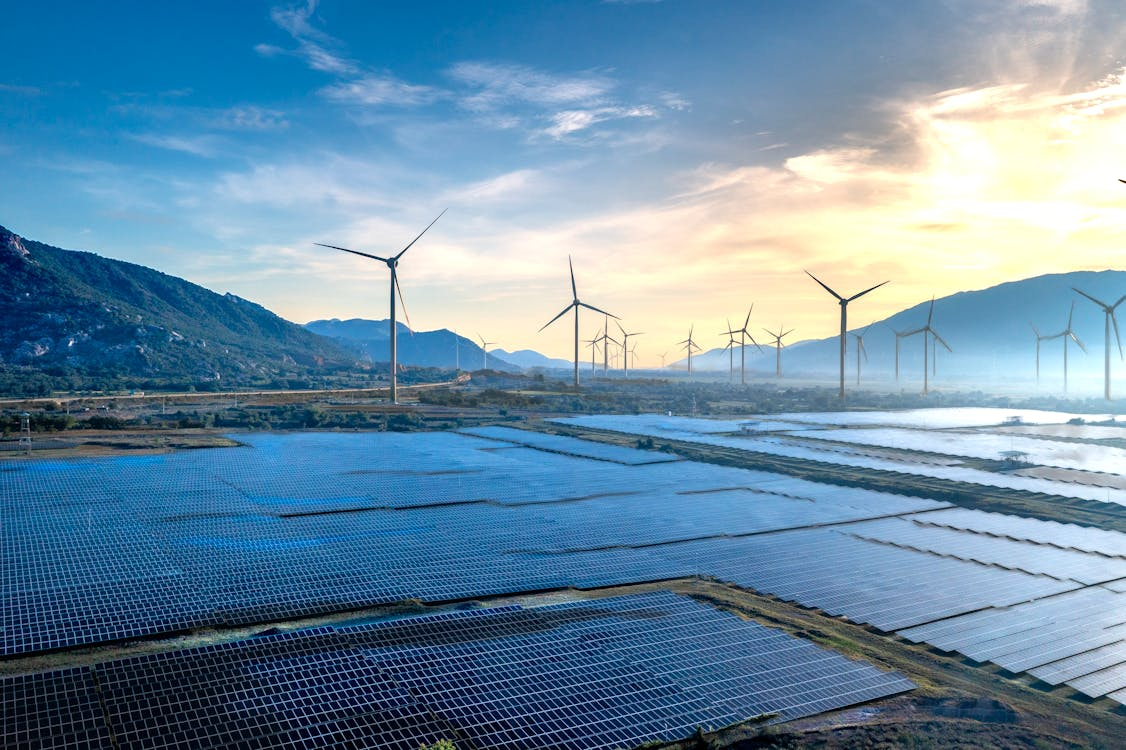
No single country leads in every category. Instead, renewable energy leadership reflects alignment between natural resources, policy choices, and societal priorities. Wind-rich nations emphasize turbines, sun-rich regions scale solar, and water-rich countries rely on hydro.
As technology advances and costs continue to fall, more countries are joining the transition. The leaders set examples not by copying one another, but by tailoring solutions to their circumstances.
Renewable energy leaders ultimately reflect foresight. Countries investing today are shaping more resilient, flexible, and sustainable energy systems for the future.